Experiencing that sharp, radiating pain from your lower back down your leg can be debilitating. Sciatica affects millions, making everyday movements a struggle and significantly impacting quality of life. As someone with over a decade of experience in physical therapy and a deep understanding of muscle recovery tools, particularly massage guns, I’ve seen firsthand how effectively these devices can bring relief to patients. This guide will delve into how a massage gun can become your ally in managing sciatica discomfort, from understanding its benefits to mastering proper usage and important precautions. Let’s explore the world of percussive therapy and find an optimal solution for your well-being.
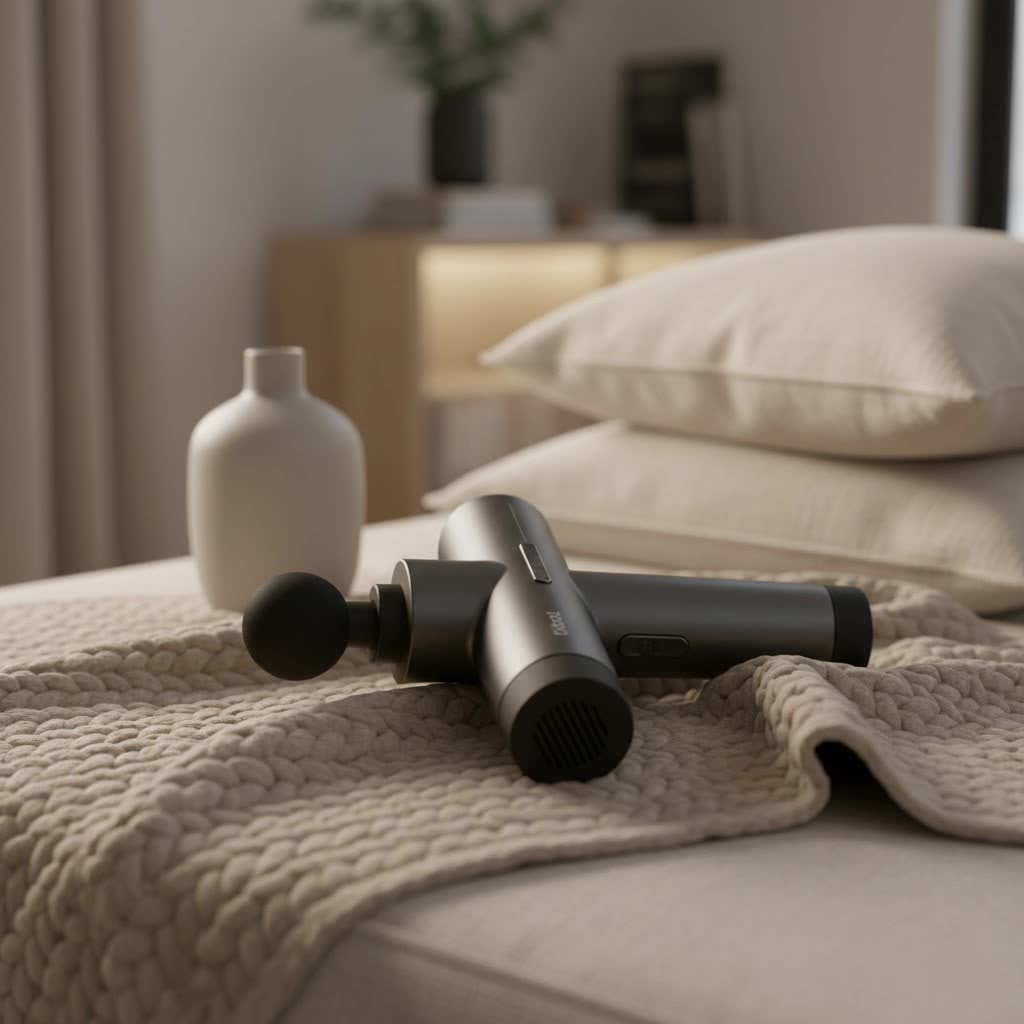
Massage Guns: An Effective Solution for Sciatica Muscle Pain at Home
Sciatica refers to pain that radiates along the path of the sciatic nerve, which branches from your lower back through your hips and buttocks and down each leg. This condition typically occurs when the sciatic nerve becomes compressed or irritated, often due to a herniated disc, bone spur on the spine, or narrowing of the spine (spinal stenosis), as well as muscle tightness like piriformis syndrome. A massage gun, a handheld percussive therapy device, works by delivering rapid, concentrated pulses to muscle tissue, aiming to alleviate tension and improve localized circulation. Initially used by athletes for muscle recovery, its application has expanded to include general pain management and rehabilitation, offering a non-invasive way to address deep muscle discomfort.
What is a massage gun?
|
Our Picks for the Best Massage Gun in 2026
As an Amazon Associate I earn from qualifying purchases.
|
||
| Num | Product | Action |
|---|---|---|
| 1 | BOB AND BRAD C2 Pro Massage Gun with Heat and Cold Therapy, FSA Eligible & HSA Approved Mini Massager Gun Deep Tissue, Heated Professional Electric Back Massager for Athletes |

|
| 2 | RENPHO Active Thermacool 2 Massage Gun with Heat and Cold, Valentine's Day Gifts, [2026 Upgraded] Percussion Deep Tissue Handheld Neck Massager, FSA Approved, Muscle Masajeador for Men Women HSA |
|
| 3 | AERLANG Massage Gun with Heat Deep Tissue Back Massager Neck Massager for Pain Relief,Muscle Percussion Massage Gun, Birthday Gifts for Men Women Dad him Handheld Message Gun with 7Heads&Silent |
|
| 4 | RENPHO Mini Thermal Massage Gun with Heat, Valentines Birthday Gifts for Women Men, Portable Deep Tissue Percussion Massager, Color Silicone Sleeves Travel Size with Carry Case, Gray |
|
| 5 | RENPHO Active Mini Thermacool Massage Gun with Heat and Cold, Valentine's Day Gifts, Percussion Deep Tissue Back Massager Ergonomic Design 5 Speeds for Muscle Therapy, FSA Eligible, Travel Case HSA |
|
| 6 | TOLOCO Massage Gun, Deep Tissue Back Massage for Athletes for Pain Relief, Percussion Massager with 10 Massages Heads & Silent Brushless Motor, Christmas Gifts for Women, Men, Black |
|
| 7 | IeBilif Massage Gun, 42 Head Foot Back Neck Shoulder Massager with 9 Adjustable Multi-Modes & Intensities, Fascia Gun for Athletes, Birthday Gifts for Men |
|
| 8 | 20-Head Massage Gun,2026 Upgrade Deep Tissue Percussion Massager with 3 Modes 30 Intensities, Quiet Muscle Tension Release Electric Massage Tools for Back, Shoulders, Legs |
|
| 9 | TOLOCO Massage Gun, Deep Tissue Back Massage for Athletes for Pain Relief, Percussion Massager with 10 Massages Heads & Silent Brushless Motor, Christmas Gifts for Women, Men, Carbon |
|
| 10 | Elefor Massage Gun Deep Tissue,Percussion Back Massager Gun for Athletes Muscle Massage Gun for Pain Relief with 8 Massage Heads & 20 Speeds (Matte Black) |
|
A massage gun is a handheld device that uses percussive therapy to deliver rapid, repetitive pulses deep into muscle tissue. This action helps to increase blood flow, release muscle tension, and alleviate pain. The principle behind it involves stimulating muscle fibers through mechanical vibration and impact, which can help break up knots, reduce soreness, and improve range of motion. Percussive therapy has roots in manual massage techniques, evolving into a sophisticated tool for both professional and at-home therapeutic use, particularly gaining traction in sports recovery and physical therapy settings due to its efficiency in targeting specific muscle groups.
Amazing benefits of massage guns
Using a massage gun offers numerous advantages for individuals seeking relief from muscle pain, including those suffering from sciatica. Primarily, it excels at reducing muscle soreness and stiffness following physical activity or prolonged periods of inactivity, a common issue for sciatica sufferers. The targeted percussions significantly enhance blood flow and lymphatic circulation, facilitating faster muscle recovery and reducing inflammation. Beyond physical recovery, the deep tissue stimulation can help alleviate muscle tension that often contributes to nerve compression, thereby lessening discomfort and improving flexibility. Furthermore, the act of self-massage can contribute to stress reduction and even promote better sleep quality by relaxing the body.
Common types of massage guns on the market
The market offers a variety of massage guns, each designed with specific features to cater to different user needs and preferences. Handheld massage guns are the most common, offering a balance of power and portability for general use. Mini massage guns are compact and lightweight, ideal for travel and quick relief on the go, often with quieter operation. Professional massage guns typically boast higher power, longer battery life, and more advanced features, catering to therapists or serious athletes requiring intensive deep tissue work. Beyond form factor, some focus on vibration massage, using a more uniform, oscillating motion, while others emphasize percussion massage, which delivers a direct, hammering-like action, penetrating deeper into the muscle. Understanding these distinctions helps in selecting a device that aligns with your specific therapeutic goals for sciatica relief.
Comparison table of massage gun types
| Feature | Handheld Massage Gun | Mini Massage Gun | Professional Massage Gun | Vibration Massage Gun | Percussion Massage Gun |
|---|---|---|---|---|---|
| Size | Large | Small | Large | Medium | Medium |
| Weight | Heavy | Light | Heavy | Light | Medium |
| Power | Strong | Moderate | Very Strong | Moderate | Strong |
| Noise Level | High | Low | High | Low | High |
| Price | Medium | Low | High | Medium | Medium |
| Portability | Low | High | Low | High | Medium |
| Target User | General | Personal | Professional | General | General |
Guide to choosing the right massage gun
Selecting the ideal massage gun is crucial for effective sciatica relief. Begin by identifying your usage needs: Are you primarily looking for pain relief, muscle recovery, or general relaxation? This will guide your choice. Next, consider the appropriate type based on your budget and desired intensity. For sciatica, you’ll want something capable of reaching deep tissue. Researching technical specifications is vital: look at the RPM range (revolutions per minute), amplitude (how far the head travels), and stall force (how much pressure it can withstand before stopping). Adjustable RPMs, ideally starting around 1,200 and going up to 2,500-3,000, allow for customization to your comfort level. Multiple attachment heads are beneficial for targeting different muscle groups. Always read user reviews for real-world insights and purchase from a reputable vendor to ensure product authenticity, warranty, and reliable customer service.
How to use a massage gun correctly
Proper technique is paramount when using a massage gun, especially for sensitive conditions like sciatica. First, prepare your muscles by engaging in light aerobic activity or gentle stretching to warm up the area and improve blood circulation. Next, select the appropriate attachment head for the muscle group you’re targeting; a softer, larger head might be better for glutes, while a bullet head can pinpoint trigger points. Begin with the lowest speed and pressure setting, gradually increasing it only as your body adapts and feels comfortable. Move the massage gun slowly along the length of the muscle fibers, avoiding direct contact with bones, joints, or the sciatic nerve itself. Do not press too hard or linger on one spot for too long, typically no more than 30-60 seconds per muscle group, to prevent bruising or overstimulation. After your session, stay hydrated by drinking plenty of water to help flush out metabolic waste and aid in muscle recovery.
Important considerations when using a massage gun
While highly beneficial, it’s crucial to use a massage gun with caution, particularly when dealing with sciatica. Never use the device directly on broken skin, open wounds, inflamed areas, or bruises. Also, avoid applying it directly over bony prominences, joints, or major nerves, especially the path of the sciatic nerve itself, as this can exacerbate pain or cause damage. Individuals with certain medical conditions, such as pregnancy, heart disease, blood clotting disorders, or those using blood thinners, should consult a healthcare professional before using a massage gun. It’s important to remember that a massage gun is not a cure for underlying conditions like herniated discs, but rather a tool for symptom management. Immediately discontinue use if you experience any sharp, shooting pain, increased discomfort, numbness, or tingling. For hard-to-reach areas like the piriformis muscle, consider having someone else apply the massage to avoid awkward twisting and potential further injury.
“A massage gun can effectively relax tight muscles contributing to sciatic pain, but it’s vital to avoid direct contact with the nerve or bony areas to prevent irritation. Start gentle, and listen to your body.”
Where to buy reputable massage guns?
When looking to purchase a reliable massage gun, consider both online and brick-and-mortar retailers known for quality fitness and wellness products. Stores specializing in sporting goods, physical therapy equipment, or general electronics often carry a range of reputable brands. Online marketplaces like Amazon, along with direct-to-consumer websites of established brands such as Theragun, Hyperice, or Lifepro, offer extensive selections and often competitive pricing. When buying online, always verify the seller’s reputation, check for genuine product reviews, and confirm the warranty and return policy. Prioritizing brands with strong customer support and easily accessible replacement parts or accessories can also enhance your overall experience and ensure long-term satisfaction with your purchase.
Conclusion
Massage guns offer a powerful and convenient at-home solution for managing the often-debilitating pain associated with sciatica. By effectively targeting muscle tension, boosting circulation, and promoting faster recovery, these percussive devices can significantly improve comfort and mobility. Remembering to select the right device, use proper techniques, and adhere to important safety precautions will maximize benefits while minimizing risks. Integrating a massage gun into your routine can be a transformative step in your journey toward sustained relief. Are you ready to take control of your sciatica pain and unlock a greater sense of well-being?
Frequently Asked Questions
Can a massage gun truly help relieve sciatica pain?
Yes, a massage gun can provide significant relief for sciatica pain by relaxing tight muscles, such as the piriformis, glutes, and hamstrings, which often compress the sciatic nerve. By increasing blood flow and reducing muscle spasms, it can alleviate pressure on the nerve and reduce discomfort, although it’s not a cure for the underlying cause.
What are the best areas to use a massage gun for sciatica?
Focus on the muscles surrounding the sciatic nerve, specifically the glutes (especially the piriformis muscle), hamstrings, and lower back muscles. Avoid direct contact with the spine or the exact path of the sciatic nerve itself. Move the gun slowly and gently over these muscle groups.
How long should I use a massage gun for sciatica?
Start with short sessions, typically 30-60 seconds per muscle group. You can use it for 1-2 sessions per day. Pay close attention to your body’s response; if you feel increased pain or discomfort, stop immediately. Consistency with short, gentle sessions is often more effective than prolonged, intense ones.
Are there any areas to avoid with a massage gun if I have sciatica?
Absolutely. Never apply the massage gun directly on bones, joints, open wounds, inflamed skin, or bruised areas. Crucially, avoid using it directly on the sciatic nerve itself or along your spine. Always aim for the surrounding muscle tissue, not directly on the nerve or bony prominences.
What massage gun settings are recommended for sciatica?
Begin with the lowest speed and a soft attachment head to gauge your tolerance. Gradually increase the speed and pressure only if it feels comfortable and provides relief, without causing any sharp or shooting pain. Adjustable RPMs (starting around 1200) are ideal for sensitive areas.
Can using a massage gun make sciatica worse?
Yes, if used incorrectly. Applying too much pressure, using it directly on the sciatic nerve, on bones, or on inflamed areas can potentially irritate the nerve further and worsen your symptoms. Always prioritize gentle use and stop if any pain increases. Consulting a physical therapist for guidance is always a good idea.
