After a grueling workout or a demanding day, persistent muscle soreness and stiffness can often feel like an unavoidable companion. The quest for effective recovery and relief is constant, and for many, professional massages remain out of reach due to time or cost. This is where the handheld massage gun emerges as a game-changer, offering professional-grade percussive therapy directly in your home. This comprehensive guide will navigate the world of handheld massage guns, exploring their benefits, diverse types, crucial features to consider, proper usage techniques, and essential safety guidelines to help you make an informed decision and optimize your muscle health.
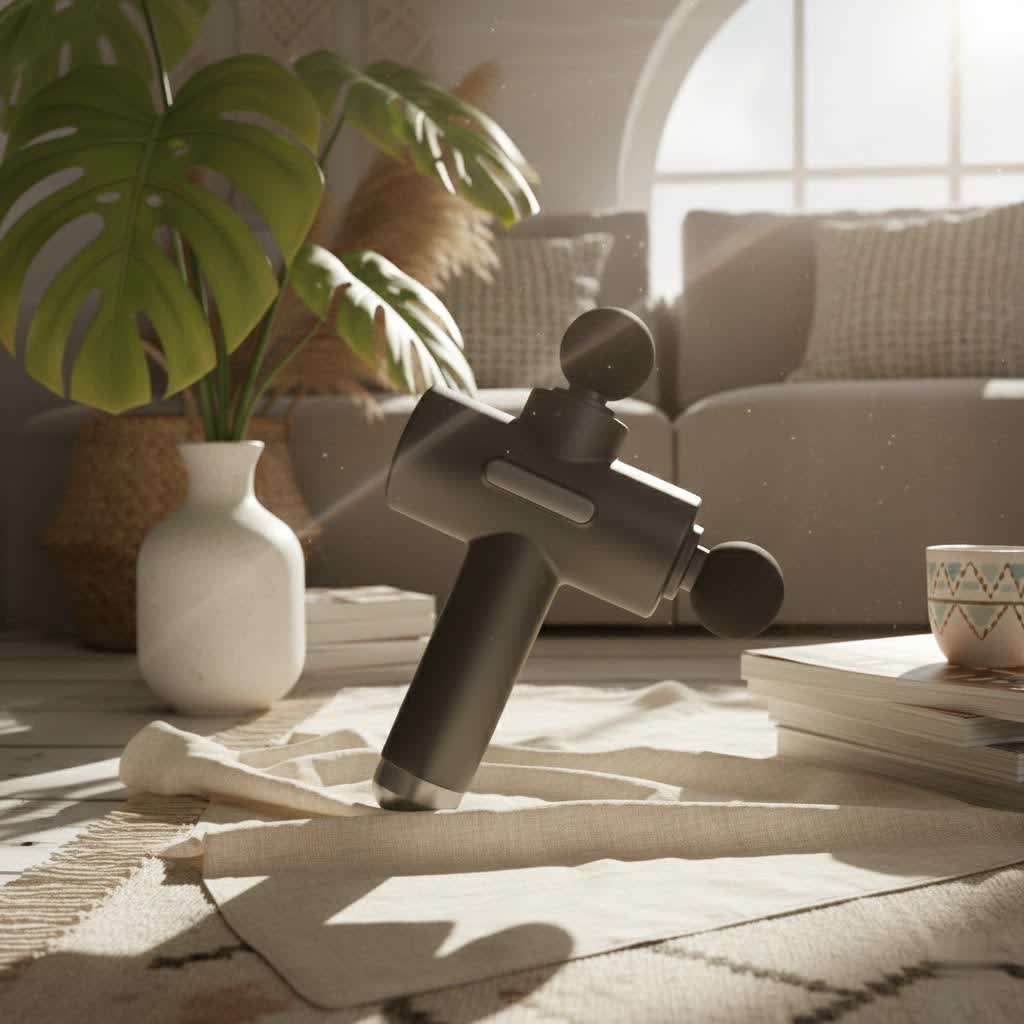
What is a Massage Gun? Understanding the Power of Percussion Therapy
At its core, a handheld massage gun is an electric massager designed to deliver rapid, repetitive strokes deep into your muscle tissue, a technique known as percussive therapy. Unlike surface-level vibrations, this deep action directly targets muscle fibers, creating a powerful, therapeutic effect. The mechanism involves a motor that drives a massage head back and forth, producing rapid pulses that penetrate beyond the skin and superficial muscles.
The science behind these devices is straightforward yet effective. This deep percussive action primarily achieves three vital outcomes: it significantly boosts blood circulation, flooding tired muscles with fresh oxygen and vital nutrients to accelerate the repair process. Simultaneously, it helps release tension by rapidly contracting and relaxing muscle fibers, effectively breaking up adhesions—those stubborn knots that cause discomfort. Finally, the intense sensation contributes to pain relief by activating the “gate control theory,” which essentially helps block pain signals from reaching the brain, offering instant comfort. Initially embraced in sports and physical therapy settings for athlete recovery and rehabilitation, handheld massage guns have now become an accessible tool for everyday muscle maintenance and overall wellness.
Unlocking the Benefits: Why You Need a Handheld Massage Gun
Integrating a handheld massage gun into your routine offers a multitude of advantages, significantly impacting muscle recovery and overall well-being. One of its primary benefits is the dramatic reduction of muscle soreness and stiffness, particularly after intense physical activity or prolonged periods of immobility. By delivering targeted percussive pulses, the device helps to alleviate post-workout discomfort, allowing for quicker bounce-back.
Beyond mere pain relief, massage guns are instrumental in enhancing blood flow and improving circulation to specific muscle groups. This increased circulation ensures a more efficient delivery of oxygen and nutrients, which is critical for accelerating muscle repair and promoting faster, more effective recovery. Regular use can also lead to a noticeable improvement in the body’s range of motion and flexibility, as it helps to loosen tight fascia and improve muscle elasticity. Furthermore, the relaxing sensation of a deep tissue massage can effectively reduce overall stress and tension, contributing to a calmer state of mind and even promoting better sleep quality. It’s a holistic approach to muscle care that extends beyond just physical recovery.
Navigating the Options: Popular Types of Handheld Massage Guns
The market for handheld massage guns is diverse, offering various types designed to cater to different needs and preferences. Understanding these classifications can help you pinpoint the ideal device for your personal recovery journey.
- Standard Handheld Massage Guns: These are the most common type, offering a balance of power, features, and portability suitable for general muscle recovery and relaxation. They typically come with multiple attachments and speed settings, making them versatile for various muscle groups and intensities.
- Mini Massage Guns: Designed for ultimate portability, mini massage guns are compact, lightweight, and easy to carry in a gym bag or backpack. While smaller, many modern mini models still pack a surprising punch, making them ideal for on-the-go relief or for individuals with smaller hands who prioritize maneuverability. They often have slightly less amplitude or stall force than their full-sized counterparts but are excellent for lighter treatments and quick relief.
- Professional/Deep Tissue Massage Guns: These devices are built for maximum power and deep muscle penetration. They feature higher amplitude and greater stall force, meaning they can exert more pressure without stalling. Often larger and heavier, they are favored by athletes, physical therapists, and individuals requiring intensive deep tissue work for stubborn knots and severe muscle tension.
- Percussion vs. Vibration Massage Guns: While often used interchangeably, there’s a subtle distinction. Most high-quality massage guns utilize percussion therapy, characterized by rapid, up-and-down strokes that penetrate deep into the muscle. Vibration massage typically involves shallower, faster oscillations that primarily affect the surface muscles and offer more sensory stimulation than deep tissue manipulation. Most effective massage guns combine elements of both, with percussion being the dominant therapeutic force.
Feature Comparison: Choosing Your Ideal Massage Gun
Selecting the Best Handheld Massage Gun requires weighing various features against your individual needs. Here’s a comparison of key attributes to help guide your decision:
| Feature | Mini Massage Gun | Standard Handheld Massage Gun | Professional/Deep Tissue Massage Gun |
|---|---|---|---|
| Size | Small, palm-sized | Medium | Large, often with ergonomic handles |
| Weight | Light (1-1.5 lbs) | Moderate (1.5-2.5 lbs) | Heavy (2.5-3.6+ lbs) |
| Power/Amplitude | Moderate (8-12mm) | Good (12-14mm) | Very Strong (14-16mm) |
| Stall Force | Lower (20-30 lbs) | Moderate (30-45 lbs) | High (45-80+ lbs) |
| Noise Level | Generally Low | Variable (Low to Moderate) | Variable (Moderate to High) |
| Price | Budget-Friendly ($50-$200) | Mid-Range ($150-$400) | Premium ($400-$700+) |
| Portability | Excellent | Good (often with carry case) | Fair (can be bulky) |
| Target User | Travel, quick relief, gentle massage, smaller users | General use, daily recovery, fitness enthusiasts | Athletes, deep knots, chronic pain, professionals |
| Attachments | Fewer (2-4) | Standard (4-6) | Extensive (5-8+, specialized heads) |
| Battery Life | Good (3-6 hours) | Very Good (4-8 hours) | Excellent (6-10+ hours) |
Your Buying Guide: How to Select the Best Handheld Massage Gun
With numerous options available, choosing the perfect handheld massage gun can feel overwhelming. Focusing on your specific requirements and understanding key specifications will simplify the process.
1. Identify Your Needs:
Start by clarifying your primary purpose. Are you seeking relief from occasional post-workout soreness, targeting chronic deep tissue knots, or simply looking for general relaxation and stress reduction? Your budget and desired portability (for home use, gym, or travel) will also significantly influence your choice.
2. Key Specifications to Consider:
- Amplitude & Stall Force: These two metrics determine the gun’s power. Amplitude refers to how deeply the head penetrates, with 12-16mm ideal for deep tissue. Stall force indicates how much pressure you can apply before the motor stops; higher numbers are crucial for persistent knots.
- Speeds (PPM): Look for models with adjustable speed settings, typically ranging from 1200 to over 3200 Percussions Per Minute (PPM). This versatility allows you to switch from a gentle warm-up to an intense deep tissue massage.
- Battery Life: Consider how long the device can run on a single charge. Options typically range from 3 to 10 hours. Longer battery life is beneficial for frequent use or travel, minimizing the need for constant recharging.
- Noise Level: Some massage guns can be quite loud, which might be a concern if you plan to use it in quiet environments or while watching TV. Many brands now offer “quiet” technology to minimize operational noise.
- Attachments: Most massage guns come with several interchangeable heads. Common attachments include:
- Round Ball: For large muscle groups like glutes, quads, and hamstrings.
- Bullet: Ideal for trigger points and targeting specific knots.
- Fork: Designed for muscles around the spine and Achilles.
- Flat Head: Versatile for overall body massage.
- Wedge: Good for scraping and working around shoulder blades or IT bands.
A variety of attachments ensures you can effectively target different areas.
- Ergonomics & Weight: A comfortable grip and manageable weight are vital, especially for reaching difficult areas or during longer massage sessions. Some designs, like Theragun’s triangular handle, are specifically engineered for improved ergonomics and ease of use. Mini guns excel in portability and reduced hand fatigue.
- Added Features: Some advanced models offer features like heat therapy, cold therapy attachments, or Bluetooth connectivity with companion apps that guide you through massage routines. While these can enhance the experience, they often come at a higher price point.
3. Read Reviews and Expert Opinions:
Before making a purchase, consult reputable review sites and fitness experts. Real-user testimonials and professional comparisons can provide objective insights into a product’s performance, durability, and overall value. Pay attention to feedback regarding battery life, noise, and effectiveness for specific muscle issues.
4. Purchase from Reputable Brands/Retailers:
Always buy your massage gun from well-known brands or authorized retailers. This ensures you receive an authentic product, often backed by a warranty and reliable customer support, which can be invaluable if you encounter any issues.
Mastering Your Massage Gun: Correct Usage for Optimal Results
Using a handheld massage gun effectively and safely is key to unlocking its full potential. Follow these guidelines to achieve the best results:
1. Warm Up:
Just as you warm up your body before exercise, it’s beneficial to lightly warm up the target muscle group before using a massage gun. This can be done with a few minutes of light cardio or dynamic stretching, which helps prepare the muscles for percussive therapy.
2. Choose the Right Attachment:
Select the massage head best suited for the muscle area you plan to treat. Use the large round ball for bigger muscles, the bullet head for pinpointing knots, and the fork attachment for areas around the spine (being cautious). Refer to your gun’s manual for specific recommendations.
3. Adjust Speed and Pressure:
Always start with the lowest speed setting to allow your muscles to adapt to the sensation. Gradually increase the speed and apply light pressure as your body tolerates it. The goal is to feel relief, not pain. If you experience discomfort, reduce the intensity or move to a different area.
4. Massage Along the Muscle:
Glide the massage gun slowly and steadily along the length of the muscle fibers. Avoid pressing directly onto bones, joints, or bony protrusions. Keep the device moving; do not hold it stationary on one spot for too long, as this can cause bruising or irritation. Spend approximately 30-60 seconds on each muscle group, and no more than 2-3 minutes on a single area.
5. Stay Hydrated:
After your massage session, drink plenty of water. Hydration helps your body flush out metabolic waste products released during the massage, aiding in quicker recovery and reducing post-massage soreness.
Important Safety Precautions and When to Avoid Use
While highly beneficial, massage guns are powerful tools that require careful and responsible use. Understanding when and where not to use them is as crucial as knowing how to use them correctly.
Areas to Absolutely Avoid:
- Bony Areas and Joints: Never apply the massage gun directly to bones, joints, or bony prominences like your spine, kneecaps, or elbows. This can cause severe bruising, discomfort, or even damage to the bone and surrounding tissues.
- Neck and Head: Avoid using the massage gun on the front or sides of your neck, especially near the carotid arteries. Direct application to the head is also unsafe. Stick to the larger muscle groups at the back of the neck and shoulders, and only with very light pressure.
- Injured or Inflamed Skin: Do not use the device on open wounds, bruised areas, rashes, inflamed skin, or any area with cuts or recent surgical incisions.
- Major Nerves and Arteries: Be cautious around areas where major nerves and arteries are close to the surface, such as the inner thigh or armpit.
Medical Conditions and When to Consult a Doctor:
It is crucial to consult a healthcare professional before using a massage gun if you have any pre-existing medical conditions, including:
- Pregnancy
- Heart conditions or pace-makers
- Blood clots or a history of deep vein thrombosis
- Neurological disorders
- Osteoporosis
- Severe varicose veins
- Anyone under the influence of pain medication that might mask discomfort.
Listen to Your Body:
Always stop using the massage gun immediately if you experience any sharp pain, tingling, numbness, increased swelling, or discomfort. The goal is relief and relaxation, not exacerbation of pain.
Mua súng massage ở đâu uy tín? (Where to Buy a Reliable Handheld Massage Gun)
When you’re ready to invest in a handheld massage gun, purchasing from reliable sources is paramount to ensure quality, authenticity, and proper support. You’ll find a wide range of options both online and in physical stores.
Leading online retailers like Amazon, Best Buy, and the official websites of renowned brands such as Therabody, Ekrin Athletics, and Hyperice are excellent starting points. These platforms often provide detailed product descriptions, customer reviews, and comparative features to help you make an informed choice. When buying online, always verify the seller’s reputation, check the return policy, and confirm warranty coverage. Be wary of unusually low prices from unknown sellers, as counterfeit products can be ineffective and potentially unsafe.
For those who prefer a hands-on experience or need immediate assistance, major sporting goods stores, specialized fitness equipment retailers, and even some department stores may carry a selection of massage guns. Purchasing from these physical locations allows you to feel the device’s weight, test its ergonomics, and ask questions directly to sales associates. Regardless of where you buy, prioritizing brands known for their quality, such as Therabody, Hyperice, Ekrin, and Bob & Brad, can ensure you receive a durable and effective product.
“A massage gun, when used on a low setting, can be super relaxing due to the increased blood flow and decreased perception of pain it results in. It’s an excellent tool for muscle recovery, but proper technique and safety awareness are key.” – Dr. Sarah Miller, Physical Therapist and Sports Medicine Specialist
Conclusion
Handheld massage guns have revolutionized muscle recovery and pain management, offering an accessible and effective solution for athletes, fitness enthusiasts, and anyone experiencing muscle tension. By understanding the core principles of percussive therapy, identifying the right type for your needs, and considering key features like amplitude, stall force, and battery life, you can confidently select a device that perfectly complements your lifestyle. Adhering to proper usage techniques and critical safety precautions ensures you harness the full benefits of this innovative tool without risk. Investing in a quality handheld massage gun is a proactive step toward enhancing your muscle health, accelerating recovery, and improving your overall well-being. Are you ready to unlock deeper relaxation and more efficient muscle recovery?
Frequently Asked Questions (Frequently Asked Questions)
How long should you use a massage gun on one muscle group?
|
Our Picks for the Best Massage Gun in 2026
As an Amazon Associate I earn from qualifying purchases.
|
||
| Num | Product | Action |
|---|---|---|
| 1 | TOLOCO Massage Gun, Deep Tissue Back Massage for Athletes for Pain Relief, Percussion Massager with 10 Massages Heads & Silent Brushless Motor, Christmas Gifts for Women, Men, Black |

|
| 2 | RENPHO Mini Thermal Massage Gun with Heat, Valentines Birthday Gifts for Women Men, Portable Deep Tissue Percussion Massager, Color Silicone Sleeves Travel Size with Carry Case, Gray |
|
| 3 | IeBilif Massage Gun, 42 Head Foot Back Neck Shoulder Massager with 9 Adjustable Multi-Modes & Intensities, Fascia Gun for Athletes, Birthday Gifts for Men |
|
| 4 | AERLANG Massage Gun with Heat Deep Tissue Back Massager Neck Massager for Pain Relief,Muscle Percussion Massage Gun, Birthday Gifts for Men Women Dad him Handheld Message Gun with 7Heads&Silent |
|
| 5 | TOLOCO Massage Gun, Deep Tissue Back Massage for Athletes for Pain Relief, Percussion Massager with 10 Massages Heads & Silent Brushless Motor, Christmas Gifts for Women, Men, Carbon |
|
| 6 | RENPHO Active Thermacool 2 Massage Gun with Heat and Cold, Valentine's Day Gifts, [2026 Upgraded] Percussion Deep Tissue Handheld Neck Massager, FSA Approved, Muscle Masajeador for Men Women HSA |
|
| 7 | Elefor Massage Gun Deep Tissue,Percussion Back Massager Gun for Athletes Muscle Massage Gun for Pain Relief with 8 Massage Heads & 20 Speeds (Matte Black) |
|
| 8 | 20-Head Massage Gun,2026 Upgrade Deep Tissue Percussion Massager with 3 Modes 30 Intensities, Quiet Muscle Tension Release Electric Massage Tools for Back, Shoulders, Legs |
|
| 9 | BOB AND BRAD C2 Pro Massage Gun with Heat and Cold Therapy, FSA Eligible & HSA Approved Mini Massager Gun Deep Tissue, Heated Professional Electric Back Massager for Athletes |
|
| 10 | RENPHO Active Mini Thermacool Massage Gun with Heat and Cold, Valentine's Day Gifts, Percussion Deep Tissue Back Massager Ergonomic Design 5 Speeds for Muscle Therapy, FSA Eligible, Travel Case HSA |
|
Generally, it’s recommended to use a massage gun for about 30 to 60 seconds on a single muscle group during warm-up or cool-down. For targeting specific knots or trigger points, you can extend this to 1-2 minutes, but avoid exceeding 2-3 minutes on any one area to prevent overstimulation or bruising.
Can I use a massage gun every day?
Yes, you can typically use a massage gun every day, especially for general relaxation or light muscle maintenance. However, for intense deep tissue work, it’s advisable to allow your muscles some recovery time between sessions, perhaps every other day, and always listen to your body to avoid over-treatment.
What’s the difference between percussion and vibration massage?
Percussion massage involves deeper, more targeted strokes that penetrate muscle tissue, ideal for breaking up knots and deep tension. Vibration massage, on the other hand, offers shallower, faster oscillations that primarily stimulate surface muscles, often used for sensory relief or warming up without deep penetration. Most effective massage guns utilize percussion therapy.
Are mini massage guns effective for deep tissue?
While mini massage guns are highly portable and convenient, their smaller size often translates to slightly less amplitude and stall force compared to full-sized professional models. They can still be effective for moderate deep tissue relief and targeting smaller muscle groups, but for very stubborn, deep knots, a more powerful, full-sized gun might be necessary.
Which massage gun is best for beginners?
For beginners, a massage gun with adjustable speed settings, a comfortable ergonomic design, and a moderate amplitude is ideal. Models like the Lifepro Sonic or Renpho Mini Thermal Massage Gun are often recommended due to their user-friendly interfaces, good value, and sufficient power for initial use without being overly intense.
