In the demanding world of athletics, pushing physical limits is a daily endeavor. Whether you’re a professional competing at an elite level or a dedicated fitness enthusiast striving for personal bests, muscle soreness, stiffness, and the constant need for efficient recovery are familiar challenges. Enter the massage gun – a revolutionary tool that has transformed how athletes approach warm-up, recovery, and overall muscular well-being, providing a powerful solution right in the palm of your hand.
What is a Massage Gun?
|
Our Picks for the Best Massage Gun in 2026
As an Amazon Associate I earn from qualifying purchases.
|
||
| Num | Product | Action |
|---|---|---|
| 1 | Elefor Massage Gun Deep Tissue,Percussion Back Massager Gun for Athletes Muscle Massage Gun for Pain Relief with 8 Massage Heads & 20 Speeds (Matte Black) |

|
| 2 | BOB AND BRAD C2 Pro Massage Gun with Heat and Cold Therapy, FSA Eligible & HSA Approved Mini Massager Gun Deep Tissue, Heated Professional Electric Back Massager for Athletes |
|
| 3 | AERLANG Massage Gun with Heat Deep Tissue Back Massager Neck Massager for Pain Relief,Muscle Percussion Massage Gun, Birthday Gifts for Men Women Dad him Handheld Message Gun with 7Heads&Silent |
|
| 4 | RENPHO Active Thermacool 2 Massage Gun with Heat and Cold, Valentine's Day Gifts, [2026 Upgraded] Percussion Deep Tissue Handheld Neck Massager, FSA Approved, Muscle Masajeador for Men Women HSA |
|
| 5 | RENPHO Active Mini Thermacool Massage Gun with Heat and Cold, Valentine's Day Gifts, Percussion Deep Tissue Back Massager Ergonomic Design 5 Speeds for Muscle Therapy, FSA Eligible, Travel Case HSA |
|
| 6 | 20-Head Massage Gun,2026 Upgrade Deep Tissue Percussion Massager with 3 Modes 30 Intensities, Quiet Muscle Tension Release Electric Massage Tools for Back, Shoulders, Legs |
|
| 7 | TOLOCO Massage Gun, Deep Tissue Back Massage for Athletes for Pain Relief, Percussion Massager with 10 Massages Heads & Silent Brushless Motor, Christmas Gifts for Women, Men, Carbon |
|
| 8 | RENPHO Mini Thermal Massage Gun with Heat, Valentines Birthday Gifts for Women Men, Portable Deep Tissue Percussion Massager, Color Silicone Sleeves Travel Size with Carry Case, Gray |
|
| 9 | TOLOCO Massage Gun, Deep Tissue Back Massage for Athletes for Pain Relief, Percussion Massager with 10 Massages Heads & Silent Brushless Motor, Christmas Gifts for Women, Men, Black |
|
| 10 | IeBilif Massage Gun, 42 Head Foot Back Neck Shoulder Massager with 9 Adjustable Multi-Modes & Intensities, Fascia Gun for Athletes, Birthday Gifts for Men |
|
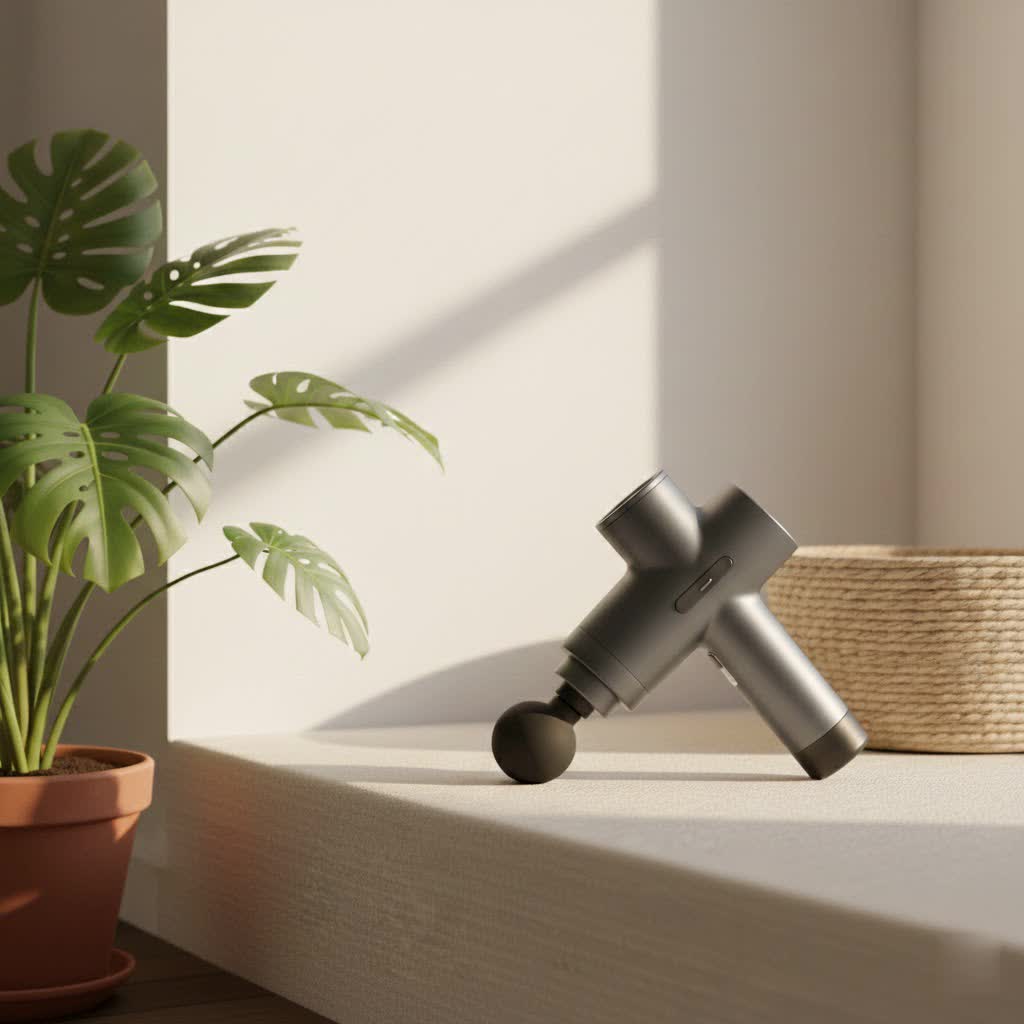
A massage gun is a handheld percussive therapy device designed to deliver rapid, repetitive pulses deep into muscle tissue. This form of therapy, often called vibration or percussive therapy, applies bursts of pressure to the myofascial tissues – which include your muscles, fascia, and tendons. The primary mechanism involves high-frequency vibrations that penetrate muscle fibers, promoting blood flow and reducing tension. Historically, manual forms of percussive or vibration therapy have been used for therapeutic benefits since ancient times, but modern technology has refined this approach into the convenient and effective devices we see today. In the realm of sports and rehabilitation, massage guns have become indispensable for their ability to target specific muscle groups with precision and intensity, aiding in both preparation and recovery.
The Remarkable Benefits of Massage Guns for Athletes
Massage guns offer a wealth of advantages that directly impact an athlete’s ability to train harder, recover faster, and perform at their peak. These devices provide targeted deep tissue massage, which can significantly reduce muscle tension and alleviate post-workout aches.
Firstly, they are highly effective at reducing Delayed Onset Muscle Soreness (DOMS), that familiar stiffness and pain that appears a day or two after intense exercise. By increasing blood flow and flushing out metabolic waste products like lactic acid, massage guns help to mitigate these uncomfortable sensations.
Secondly, massage guns boost circulation and lymphatic drainage, crucial processes for delivering oxygen and nutrients to tired muscles and removing toxins. This enhanced flow contributes to significantly faster muscle recovery and supports the body’s natural tissue repair mechanisms. Many athletes find that consistent use helps their muscles bounce back quicker between training sessions.
Beyond physical recovery, the rhythmic action of a massage gun can also alleviate stress and improve sleep quality. By relaxing tense muscles and promoting a sense of calm, these devices contribute to overall well-being, which is vital for an athlete’s mental and physical resilience.
Furthermore, regular percussive therapy can enhance flexibility, increase range of motion, and improve overall body mobility. This is achieved by reducing muscle stiffness and breaking up adhesions in the fascia, allowing muscles and joints to move more freely. Improved flexibility can, in turn, lead to better athletic performance and a reduced risk of injury.
Finally, massage guns play a significant role in injury prevention and rehabilitation. Used as part of a warm-up routine, they can increase muscle temperature and pliability, preparing tissues for activity and reducing the likelihood of strains or tears. For athletes recovering from injuries, targeted application can help break down scar tissue and improve the health of compromised tissues, facilitating a smoother return to activity.
Popular Types of Massage Guns on the Market
The market for massage guns has expanded rapidly, offering various types tailored to different needs and preferences. Understanding the distinctions can help athletes choose the best tool for their specific requirements.
- Handheld Massage Guns: These are the most common type, offering a balance of power, portability, and features. They typically have a sturdy design, multiple speed settings, and come with a range of attachments. They are versatile enough for general use by most athletes.
- Mini Massage Guns: Characterized by their compact size and lighter weight, mini massage guns prioritize portability. They are perfect for athletes who need a device on the go, whether for travel, gym bags, or quick relief during competitions. While smaller, many mini versions still deliver surprising power.
- Professional Massage Guns: Designed for rigorous use by elite athletes, trainers, and physical therapists, these models offer superior power, higher amplitude, advanced features like app connectivity, and often longer battery life. They are built for maximum performance and durability, typically at a higher price point.
- Vibration Massage Guns vs. Percussion Massage Guns: While often used interchangeably, “percussion” therapy implies a deeper, more direct striking motion that penetrates the muscle, whereas “vibration” therapy tends to be a shallower, more general oscillation. Most high-quality massage guns for athletes employ percussive action for deep tissue benefits, sometimes incorporating vibration for more sensitive areas.
Comparing Popular Massage Gun Types
| Feature | Handheld Massage Gun | Mini Massage Gun | Professional Massage Gun |
|---|---|---|---|
| Size | Medium to Large | Small | Large |
| Weight | Moderate to Heavy | Light | Heavy |
| Power | Strong | Moderate to Strong | Very Strong |
| Noise Level | Moderate to High | Low to Moderate | Moderate to High |
| Price | Mid-range | Low to Mid-range | High |
| Portability | Moderate (often with case) | Excellent (pocket-sized) | Low (larger cases) |
| Target User | General athletes, fitness enthusiasts | Travelers, individuals, gym-goers | Elite athletes, trainers, clinics |
How to Choose the Right Massage Gun for Your Athletic Needs
Selecting the perfect massage gun involves considering several key factors to ensure it meets the unique demands of an athlete’s lifestyle and training regimen.
1. Determine Your Usage Needs: First, consider your primary purpose. Are you looking for intense post-workout recovery, gentle warm-up, targeted pain relief, or improved flexibility? Your training intensity and specific sport can also guide your choice. For instance, a marathon runner might prioritize portability and battery life, while a bodybuilder might need maximum stall force and amplitude.
2. Prioritize Key Technical Specifications:
- Amplitude (Stroke Length): This is arguably the most crucial factor for athletes seeking deep tissue relief. Look for a massage gun with an amplitude of at least 12mm. Professional-grade devices often offer 14-16mm, allowing for significant muscle penetration. Anything less than 7mm is generally more for surface-level relaxation.
- Stall Force: This measures how much pressure you can apply before the motor stops. Athletes requiring deep tissue work and intense pressure will benefit from a higher stall force (e.g., 40-60+ lbs).
- Percussions Per Minute (PPM) / Speed Settings: A good massage gun should offer multiple speed settings, typically ranging from 1,800 to 3,200 PPM or RPM. Lower speeds are ideal for warm-ups and sensitive areas, while higher speeds are for deeper post-workout recovery. Three to five distinct speed levels are often sufficient.
- Battery Life: For athletes on the go, a reliable battery is essential. While manufacturers might claim long hours, aim for a device that offers at least 2-3 hours of actual runtime per charge.
- Attachments: A variety of interchangeable heads allows for versatile application. Common attachments include:
- Round: General use, large muscle groups.
- Flat: Whole-body massage, dense areas.
- Bullet/Cone: Targeted deep tissue, trigger points, knots.
- Fork/U-shaped: Around the spine, Achilles tendon, neck (with care).
- Noise Level: Modern massage guns are significantly quieter than older models. A lower decibel (dB) rating can make your recovery sessions more enjoyable, especially if used in shared spaces.
- Ergonomics and Portability: A comfortable grip and balanced weight are important for self-application, especially for hard-to-reach areas. Consider triangular or D-shaped handles for better control. If you travel frequently, a lightweight, compact design with a good carrying case is a significant plus.
3. Read User Reviews and Expert Opinions: Before investing, consult reviews from other athletes, physical therapists, and reputable sports equipment testers. Their real-world experiences can provide objective insights into a product’s effectiveness, durability, and user-friendliness.
4. Check for Warranty and Customer Support: A good warranty provides peace of mind, especially for higher-priced models. Reliable customer support is also valuable for any questions or issues that may arise.
> “For athletes, a massage gun isn’t just a luxury; it’s a strategic tool. Focus on amplitude and stall force for true deep tissue work, and always prioritize a device that feels comfortable and natural in your hand for consistent use.” – Dr. Sarah Chen, Sports Physical Therapist
How to Use a Massage Gun Correctly for Optimal Results
To maximize the benefits and ensure safety, athletes should understand the proper techniques for using a massage gun.
1. Warm-Up Your Muscles: While a massage gun can be part of your warm-up, it’s beneficial to do a light cardio activity (like jogging or cycling) for a few minutes first. This increases overall blood flow to the muscles, making them more receptive to percussive therapy.
2. Choose the Right Attachment: Select an attachment that corresponds to the muscle group you’re targeting. Use larger, softer heads (like a round ball) for big muscle groups (quads, glutes, hamstrings) and broader areas. Use smaller, firmer heads (like a bullet or cone) for specific knots, trigger points, or smaller muscles (calves, forearms). The U-shaped head can be used carefully around the Achilles or trapezius, avoiding direct contact with bones.
3. Adjust Speed and Pressure: Always start with the lowest speed setting and light pressure. Gradually increase the speed and apply more pressure as your muscles adapt and you become more comfortable. You should feel relief, not pain. If you experience any discomfort, reduce the intensity or stop.
4. Massage Along the Muscle Fibers: Glide the massage gun slowly and evenly along the length of the muscle, moving with the direction of the muscle fibers. Avoid pressing directly onto bones, joints, tendons, or major nerves. Keep the gun moving; don’t hold it stationary on one spot for too long, as this can cause bruising or irritation. A general guideline is 30-60 seconds per muscle group for warm-up and 1-2 minutes for post-workout recovery.
5. Stay Hydrated Post-Massage: Percussive therapy helps release metabolic waste from muscles. Drinking plenty of water after your session aids your body in flushing out these toxins and rehydrating your tissues, contributing to more effective recovery.
Important Considerations and Safety Notes
While massage guns are highly beneficial, it’s crucial to use them responsibly and be aware of certain precautions.
- Avoid Sensitive Areas: Never use a massage gun directly on bones, joints, tendons (like the Achilles or patella), major arteries, superficial nerves, or bony prominences. Exercise extreme caution around the neck and head.
- Do Not Use on Injured or Inflamed Skin: Avoid using the device on areas with cuts, bruises, open wounds, skin conditions, or acute inflammation.
- Consult a Healthcare Professional: Individuals who are pregnant, have circulatory disorders, nerve damage, osteoporosis, severe varicose veins, or are on blood thinners should consult their doctor or physical therapist before using a massage gun. If you have any pre-existing medical conditions or are unsure about using the device, seek professional advice.
- Listen to Your Body: The golden rule is to stop immediately if you feel any sharp pain, tingling, numbness, or increased discomfort. A massage gun should provide relief, not cause distress.
- Not a Substitute for Medical Treatment: A massage gun is a recovery and performance enhancement tool, not a medical device. It should not replace professional medical advice, physical therapy, or treatment for serious injuries.
Where to Purchase a Reliable Massage Gun
Investing in a quality massage gun is an investment in your athletic performance and recovery. You can find massage guns at various reputable sources:
- Specialty Sports & Fitness Stores: These stores often carry a curated selection of high-quality massage guns and their staff can provide expert advice.
- Online Retailers: Major online platforms offer a vast selection from numerous brands, often with competitive pricing and detailed customer reviews. Be sure to purchase from authorized sellers to ensure authenticity.
- Directly from Manufacturer Websites: Buying directly from the brand’s website can sometimes offer exclusive deals, full warranty coverage, and direct access to customer support.
When purchasing online, always verify the seller’s reputation, read recent reviews, and confirm the warranty and return policy before making a commitment.
Conclusion
For athletes, integrating a massage gun into your routine can be a game-changer, offering a powerful combination of muscle recovery, pain relief, and performance enhancement. By understanding how these percussive therapy devices work, selecting the right model for your needs, and applying them correctly, you can unlock greater flexibility, reduce soreness, and accelerate your body’s natural healing processes. A massage gun isn’t just a gadget; it’s an essential partner in your journey to peak athletic condition. So, are you ready to experience the transformative power of percussive therapy and elevate your recovery game?
Frequently Asked Questions
Are massage guns truly safe for athletes to use regularly?
Yes, when used correctly and with awareness of your body’s signals, massage guns are generally safe for athletes. It’s crucial to follow guidelines regarding sensitive areas and intensity, and consult a professional if you have pre-existing conditions or injuries. Used appropriately, they are a valuable tool for muscle maintenance and recovery.
How often should athletes use a massage gun for optimal benefits?
The frequency depends on your training intensity and individual recovery needs. For warm-up, 30-60 seconds per muscle group before activity is sufficient. For post-workout recovery, 1-2 minutes per muscle group can be beneficial. Many athletes use them daily or several times a week, adjusting based on soreness and activity levels.
What is the primary difference between using a massage gun and traditional foam rolling for athletes?
Both tools aid muscle recovery, but massage guns offer targeted, deep percussive therapy, penetrating muscles with rapid, consistent force for precise relief of knots and trigger points. Foam rolling, while effective for broader myofascial release, provides less targeted pressure and relies on body weight, making it less controllable for specific spots.
Can massage guns effectively help in preventing athletic injuries?
Yes, massage guns can contribute to injury prevention by increasing blood flow and muscle temperature during warm-ups, which improves muscle pliability and flexibility. This preparation helps reduce the risk of strains and tears. Regular use also addresses muscle imbalances and stiffness, which can be underlying causes of injury.
Which massage gun attachments are most beneficial for athletes?
Athletes generally benefit from a versatile set of attachments. The large round head is excellent for major muscle groups, while the flat head works well for dense areas. The bullet or cone attachment is essential for targeting deep knots and trigger points. A fork (U-shaped) head can be useful for muscles around the spine and Achilles tendon, always with caution.
