Do you wake up with a sharp, stabbing pain in your heel, making those first few steps of the day a painful ordeal? If so, you’re likely experiencing plantar fasciitis, a common yet debilitating condition. Living with chronic foot pain can severely impact your daily life, but thankfully, innovative tools like the massage gun offer a promising at-home solution. This guide will delve into how a massage gun can be a powerful ally in your fight against plantar fasciitis, offering relief, promoting healing, and helping you reclaim comfortable movement.
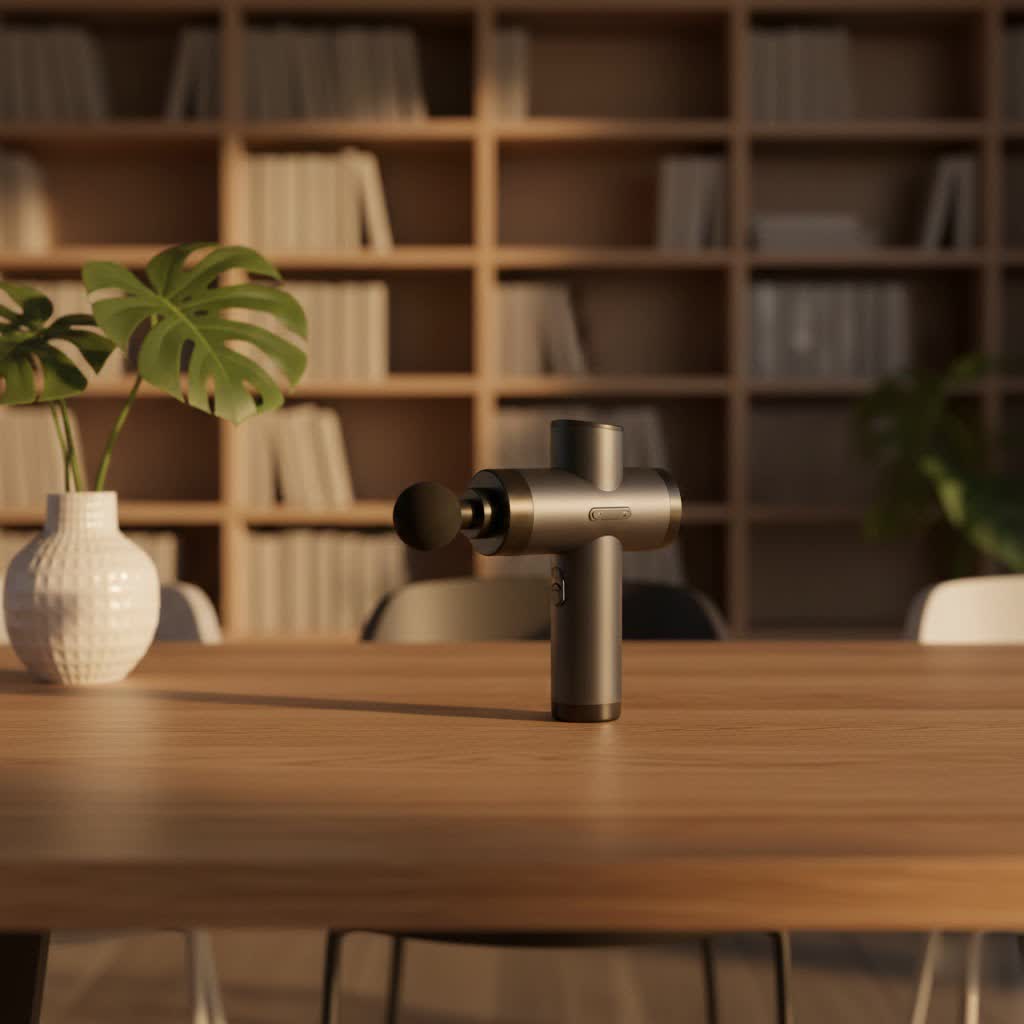
Massage Guns: An Effective Solution for Plantar Fasciitis
What is Plantar Fasciitis?
|
Our Picks for the Best Massage Gun in 2026
As an Amazon Associate I earn from qualifying purchases.
|
||
| Num | Product | Action |
|---|---|---|
| 1 | BOB AND BRAD C2 Pro Massage Gun with Heat and Cold Therapy, FSA Eligible & HSA Approved Mini Massager Gun Deep Tissue, Heated Professional Electric Back Massager for Athletes |

|
| 2 | Elefor Massage Gun Deep Tissue,Percussion Back Massager Gun for Athletes Muscle Massage Gun for Pain Relief with 8 Massage Heads & 20 Speeds (Matte Black) |
|
| 3 | 20-Head Massage Gun,2026 Upgrade Deep Tissue Percussion Massager with 3 Modes 30 Intensities, Quiet Muscle Tension Release Electric Massage Tools for Back, Shoulders, Legs |
|
| 4 | RENPHO Mini Thermal Massage Gun with Heat, Valentines Birthday Gifts for Women Men, Portable Deep Tissue Percussion Massager, Color Silicone Sleeves Travel Size with Carry Case, Gray |
|
| 5 | RENPHO Active Thermacool 2 Massage Gun with Heat and Cold, Valentine's Day Gifts, [2026 Upgraded] Percussion Deep Tissue Handheld Neck Massager, FSA Approved, Muscle Masajeador for Men Women HSA |
|
| 6 | TOLOCO Massage Gun, Deep Tissue Back Massage for Athletes for Pain Relief, Percussion Massager with 10 Massages Heads & Silent Brushless Motor, Christmas Gifts for Women, Men, Black |
|
| 7 | IeBilif Massage Gun, 42 Head Foot Back Neck Shoulder Massager with 9 Adjustable Multi-Modes & Intensities, Fascia Gun for Athletes, Birthday Gifts for Men |
|
| 8 | RENPHO Active Mini Thermacool Massage Gun with Heat and Cold, Valentine's Day Gifts, Percussion Deep Tissue Back Massager Ergonomic Design 5 Speeds for Muscle Therapy, FSA Eligible, Travel Case HSA |
|
| 9 | TOLOCO Massage Gun, Deep Tissue Back Massage for Athletes for Pain Relief, Percussion Massager with 10 Massages Heads & Silent Brushless Motor, Christmas Gifts for Women, Men, Carbon |
|
| 10 | AERLANG Massage Gun with Heat Deep Tissue Back Massager Neck Massager for Pain Relief,Muscle Percussion Massage Gun, Birthday Gifts for Men Women Dad him Handheld Message Gun with 7Heads&Silent |
|
Plantar fasciitis is an inflammation of the plantar fascia, a thick band of tissue that runs along the bottom of your foot, connecting your heel bone to your toes and supporting your foot’s arch. This condition typically causes a sharp, stabbing pain in the heel, often most severe with the first steps in the morning or after periods of rest. Common causes include overuse, improper footwear, prolonged standing, and structural abnormalities of the foot.
What is a Massage Gun?
A massage gun is a handheld device that utilizes percussive therapy, delivering rapid, repetitive pulses of pressure and vibrations deep into muscle tissue. Unlike traditional vibrators, massage guns provide a more direct, intense treatment that mimics deep tissue massage. Originally popular among athletes for muscle recovery, these devices have become a go-to tool for general pain relief, improved circulation, and tension release in various parts of the body, including the feet.
The Remarkable Benefits of Massage Guns for Plantar Fasciitis
Integrating a massage gun into your daily routine can offer a multitude of benefits for managing plantar fasciitis, significantly alleviating discomfort and promoting recovery.
- Reduces Pain and Muscle Tension: The rapid pulses help to break up knots and release tension in the irritated plantar fascia, as well as in the often-tight calf muscles that contribute to foot pain. This direct action provides much-needed relief from the stabbing heel pain.
- Enhances Blood Circulation: The percussive action dramatically increases blood flow to the affected area. This surge of blood delivers essential oxygen and healing nutrients while helping to flush out inflammatory agents, accelerating the body’s natural healing process.
- Accelerates Muscle Recovery and Reduces Inflammation: By improving circulation and stimulating tissues, massage guns aid in faster recovery of strained muscles and fascia. Reduced inflammation is key to minimizing pain and discomfort associated with plantar fasciitis.
- Improves Range of Motion and Flexibility: Loosening tight calf muscles and fascia can significantly improve ankle mobility and overall foot flexibility. Enhanced flexibility can reduce strain on the plantar fascia, preventing future flare-ups and allowing for more comfortable movement.
- Breaks Up Trigger Points and Adhesions: The targeted vibrations effectively penetrate deep to break up painful trigger points (muscle knots) and adhesions that can form in the plantar fascia and surrounding tissues, which are often sources of persistent pain.
How Massage Guns Target Plantar Fasciitis
Massage guns work by applying percussive force that can penetrate deeper than manual massage, targeting the fibrous tissues of the plantar fascia and the surrounding muscles like the calves and Achilles tendon. This deep tissue stimulation helps to release accumulated tension, increase the elasticity of the fascia, and break down scar tissue or adhesions that may be contributing to the pain. The increased local blood flow nourishes the damaged tissue and aids in reducing the inflammation that is characteristic of plantar fasciitis, promoting a more efficient healing environment. By alleviating stiffness and improving tissue pliability, massage guns make it easier for the foot to function properly, reducing strain and discomfort during daily activities.
Types of Massage Guns and Key Features for Plantar Fasciitis
While massage guns come in various sizes—from compact mini versions to larger, professional-grade devices—the most crucial aspects for treating plantar fasciitis lie in their specific features rather than just their general classification. When selecting a massage gun for foot pain, consider the following:
- Adjustable Intensity and Speed Settings: This allows you to start with gentle pulsations and gradually increase the intensity as your foot adapts, which is vital for sensitive areas like the arch and heel.
- Attachments: The type of massage heads included is paramount. Look for softer, broader attachments like a round ball or flat head for general relief. A pointed attachment can be useful for targeting specific, stubborn trigger points, but must be used with extreme caution on the foot.
- Amplitude (Stroke Length): A mid-to-high amplitude (typically 10-16mm) ensures the device can reach deep into the plantar fascia and calf muscles for effective treatment, rather than just providing surface-level vibration.
- Stall Force: This refers to how much pressure you can apply before the motor stops. A higher stall force (e.g., 30-60 lbs) ensures consistent power and deeper penetration without the device stalling.
- Ergonomic Design: A lightweight, easy-to-grip design is crucial for comfortably reaching the bottom of your foot and calves without straining your hands or wrists.
- Battery Life: Consistent daily use is often recommended for plantar fasciitis, so a long-lasting battery is a significant convenience.
Comparison Table: Features for Plantar Fasciitis Relief
| Feature | Ideal for Plantar Fasciitis | Less Ideal (or depends) |
|---|---|---|
| Intensity | Adjustable, multiple speed settings for customization | Single speed, too powerful or too weak |
| Attachments | Soft ball, flat head (general); pointed (careful trigger points) | Hard plastic, fork head (avoid bony areas) |
| Amplitude | Mid to High (10-16mm) for deep tissue penetration | Low (6-9mm) for surface-level massage only |
| Stall Force | 30-60 lbs (to avoid stalling under pressure) | Very low (stalls easily with light pressure) |
| Ergonomics | Lightweight, easy to grip, good for reaching feet | Heavy, awkward to hold for foot/calf |
| Noise Level | Moderate to Quiet (for comfortable, relaxing use) | Very Loud (can be disruptive) |
| Battery Life | Long-lasting (to ensure consistent, uninterrupted sessions) | Short (needs frequent recharging, can interrupt routine) |
How to Choose the Right Massage Gun for Plantar Fasciitis
Selecting the ideal massage gun is key to finding effective relief. Consider these factors to make an informed decision:
- Assess Your Needs: Determine your primary goal. Are you looking for daily pain management, intense post-activity recovery, or general relaxation? Your personal needs will guide your choice in terms of power and features.
- Evaluate Key Features: Prioritize massage guns with adjustable speed settings and a variety of attachments, particularly softer heads like a foam ball or flat head, which are gentler on the sensitive foot area. Ensure it has adequate amplitude and stall force for deep tissue work without causing discomfort.
- Read Reviews: Research experiences from other users, especially those who suffer from plantar fasciitis. Their insights can highlight a device’s effectiveness and user-friendliness for this specific condition.
- Consider Brand Reputation and Warranty: Opt for reputable brands known for quality and durability. A good warranty and customer service can provide peace of mind for your investment.
Step-by-Step Guide: Using Your Massage Gun for Plantar Fasciitis
To maximize the benefits and ensure safe usage, follow these guidelines when incorporating a massage gun into your plantar fasciitis treatment:
- Preparation: Begin by gently warming up your foot and calf muscles with light stretches. Find a comfortable seated position where your foot is easily accessible and supported. Applying a small amount of massage oil or lotion can help the massage gun glide smoothly over your skin, reducing friction.
- Select the Right Attachment: For general massage on the foot arch, a softer attachment like a round ball or flat head is recommended. If you’re targeting a very specific, tender trigger point, a pointed attachment can be used, but with extreme caution and very light pressure.
- Start Gentle: Always begin with the lowest speed setting on your massage gun. Your foot, especially the plantar fascia, can be quite sensitive, and a gradual increase in intensity is crucial to avoid further irritation.
- Target the Plantar Fascia: Slowly move the massage gun along the arch of your foot, from the front of your heel towards the balls of your toes. Apply gentle pressure, allowing the vibrations to penetrate. You can trace a “C” shape along the arch, focusing on any particularly tender areas, but avoid lingering too long on one spot.
- Address Calf Muscles: Tight calf muscles and Achilles tendons are often major contributors to plantar fasciitis. Spend time massaging your gastrocnemius and soleus muscles, working from the top of your calf downwards towards your ankle. This can significantly relieve tension that pulls on the plantar fascia.
- Duration and Frequency: Aim for 10-20 seconds per specific spot, and a total session duration of 5-10 minutes per foot. Many find relief with daily use, either once or twice a day. Always listen to your body; if it feels too intense, reduce the speed or pressure.
- Hydrate and Rest: After your massage session, drink plenty of water to help flush out metabolic waste and continue with any recommended stretching or rest to aid in overall recovery.
Important Precautions When Using a Massage Gun for Plantar Fasciitis
While massage guns are excellent tools for relief, certain precautions are vital to ensure safety and prevent worsening your condition.
- Avoid Bony Areas: Never use the massage gun directly on prominent bones such as your heel bone, the top of your foot, or your ankle bones. Massage guns are designed for soft tissue and can cause bruising or injury to bone.
- Steer Clear of Sensitive Nerves and Blood Vessels: Exercise extreme caution around the sides of your feet, especially below or behind the ankle bones, where major nerves (like the posterior tibial and sural nerves) are located. Also, avoid the upper calf area where major blood vessels and nerves are situated. Irritating these areas can cause discomfort or nerve damage.
- Do Not Use On Compromised Skin or Acute Injuries: Refrain from using the massage gun on open wounds, cuts, infections, severely inflamed areas, or bruises. Direct contact can exacerbate inflammation or introduce infection.
- Listen to Your Body: A certain level of discomfort can be expected as tight tissues are released, but if you experience sharp pain, increasing discomfort, or numbness, stop immediately and adjust your technique or settings.
- Consult a Professional: If you are pregnant, have a history of blood clots, nerve damage, heart conditions, or any other significant health concerns, consult with a doctor or physical therapist before using a massage gun. They can provide personalized guidance and ensure it’s appropriate for your specific condition.
- Complementary Therapy: Remember that a massage gun is a complementary tool, not a standalone cure. For optimal results, use it in conjunction with other recommended treatments such as stretching, proper footwear, rest, and professional physical therapy.
Where to Purchase a Reliable Massage Gun
When you’re ready to invest in a Massage Gun For Plantar Fasciitis relief, it’s essential to choose a reputable source. Look for well-known online retailers, sporting goods stores, or specialized wellness shops that offer a good selection and transparent product information. Always check for a warranty and a clear return policy. While online shopping provides convenience, be sure to read customer reviews to gauge product quality and effectiveness, especially concerning foot relief. Prioritizing reputable brands will ensure you receive a high-quality, safe, and effective device to support your healing journey.
Conclusion
Plantar fasciitis can be a persistent and painful condition, but a massage gun offers a convenient and effective way to manage its symptoms from the comfort of your home. By utilizing percussive therapy, these devices can reduce pain and muscle tension, increase vital blood flow for healing, and improve your overall foot flexibility. Remember to choose a massage gun with adjustable settings and appropriate attachments, and always follow proper usage techniques while adhering to critical safety precautions. When used as part of a comprehensive care plan, a massage gun can significantly enhance your recovery, helping you move towards a life with less pain and greater comfort. What step will you take today to embrace pain-free movement?
Frequently Asked Questions
Can a massage gun cure plantar fasciitis?
No, a massage gun cannot cure plantar fasciitis on its own. However, it is an excellent tool to manage symptoms, reduce pain and inflammation, and accelerate recovery when used as part of a comprehensive treatment plan that typically includes rest, stretching exercises, proper supportive footwear, and sometimes physical therapy.
How often should I use a massage gun for plantar fasciitis?
For most individuals, using a massage gun for 5-10 minutes, once or twice daily, on the affected areas of the foot and calf can provide significant relief. Always start with the lowest intensity setting to gauge your comfort level and adjust the frequency and duration based on your body’s response, avoiding overuse.
Which attachment is best for plantar fasciitis?
Softer attachments, such as a round ball or flat head, are generally recommended for the sensitive areas of the foot and arch. These provide a gentler massage over a broader area. A pointed attachment can be used with extreme caution for very specific, stubborn trigger points, but direct contact with bones should always be avoided.
Can I use a massage gun directly on my heel for plantar fasciitis?
It is generally advised to avoid direct, forceful impact on bony areas like the heel bone, as this can cause bruising or injury. Instead, focus on the soft tissues of the arch and surrounding muscles. If targeting the heel pad, use the side of a foam ball attachment with very gentle pressure.
What other areas should I massage besides the bottom of my foot to help with plantar fasciitis?
Tight calf muscles, including the gastrocnemius and soleus, and the Achilles tendon are common contributors to plantar fasciitis by increasing tension on the plantar fascia. Massaging these areas can effectively release this tension, providing indirect relief to your foot pain.
