Do you often experience nagging neck pain, persistent stiffness, or tension that radiates up to your head? These common discomforts, often stemming from long hours at a desk, poor posture, or daily stress, can significantly impact your well-being. While massage guns have emerged as popular tools for muscle recovery and pain relief, their use on sensitive areas like the neck requires extreme caution and a precise understanding of proper technique. This comprehensive guide will explore how a massage gun can potentially alleviate neck-related tension by focusing on surrounding muscles, while rigorously highlighting critical safety precautions to ensure a beneficial, not harmful, experience.
What is a Massage Gun?
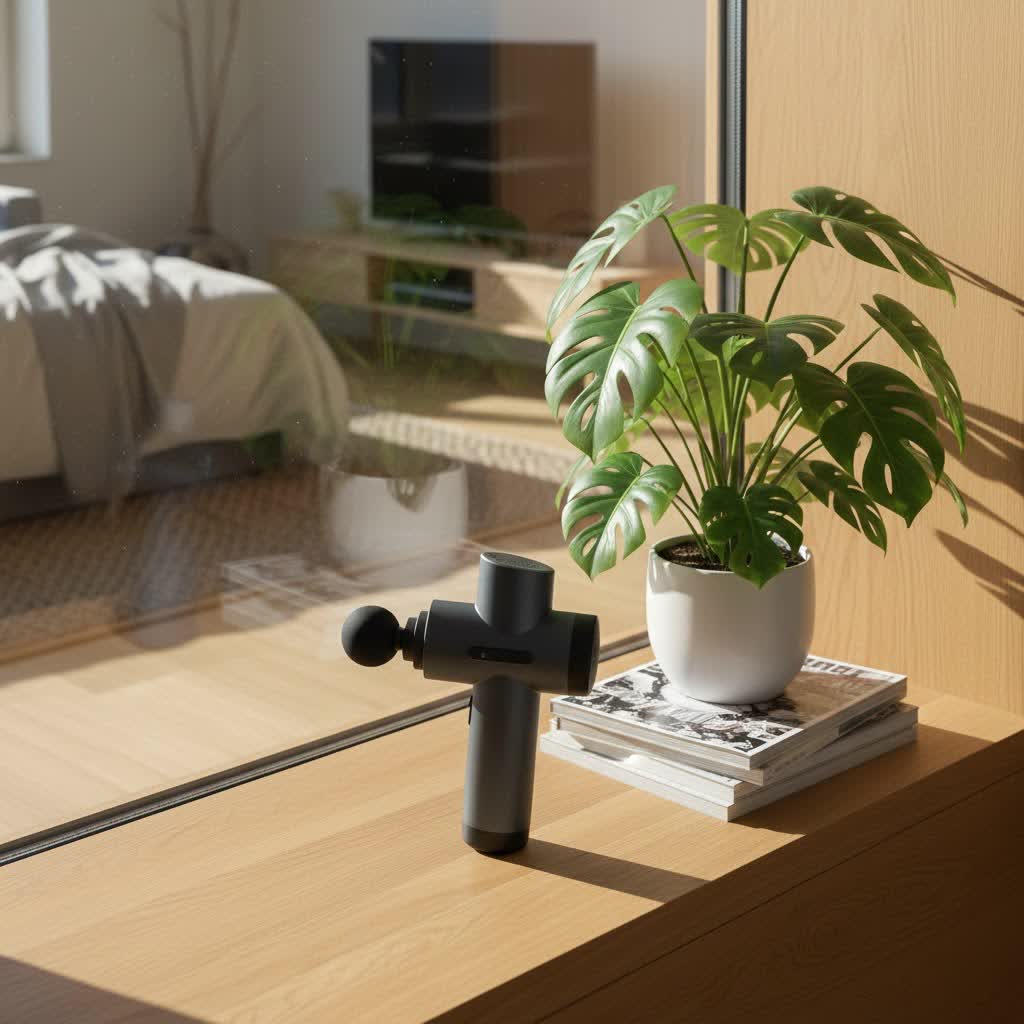
A massage gun is a handheld device designed to deliver percussive therapy—rapid, repetitive pulses of pressure and vibration—deep into muscle tissue. Unlike traditional vibrating massagers, a massage gun’s percussive action works to loosen tight muscles and fascia (the connective tissue surrounding muscles and bones). This deep tissue stimulation helps increase blood flow, reduce muscle tension, and can improve flexibility. The device typically comes with various attachments and adjustable speed settings, allowing for a customized massage experience that can target specific muscle groups, including those contributing to neck pain and stiffness. [cite: 4 (benefits)]
The Wonderful Benefits of Massage Guns for Neck-Related Discomfort
When used correctly and on appropriate muscle groups, a massage gun can offer several compelling benefits for individuals experiencing neck stiffness and pain. The focused percussive action helps to relax tight muscles that often contribute to neck discomfort.
- Reduced Muscle Tension and Pain: Massage guns can effectively work out knots and tight spots in the muscles surrounding the neck, such as the upper trapezius and shoulders, leading to a noticeable reduction in pain and tension. [cite: 1 (benefits), 2 (benefits)]
- Enhanced Blood Circulation: The rapid pulses increase blood flow to the treated areas, delivering essential oxygen and nutrients to sore muscles and aiding in their recovery. Improved circulation can also help remove metabolic waste products. [cite: 1 (safety), 1 (benefits), 2 (benefits)]
- Faster Muscle Recovery: By promoting blood flow and reducing tension, percussive therapy can accelerate the recovery process for muscles that are sore from exercise, poor posture, or daily strain. [cite: 2 (benefits)]
- Improved Range of Motion and Flexibility: Stiff, tight muscles can severely limit the neck’s ability to move freely. Loosening these muscles with a massage gun can help restore flexibility and increase the range of motion. [cite: 1 (benefits), 2 (benefits)]
- Alleviation of Tension Headaches: Often, headaches are a direct result of tight muscles in the neck and shoulders. Targeting these muscles can release tension and provide relief from such headaches. [cite: 2 (benefits)]
- Targeting Trigger Points: Massage guns are excellent for precisely targeting trigger points—specific areas of muscle tightness that can cause referred pain and discomfort—helping to release tension and alleviate pain. [cite: 3 (benefits)]
- Stress Reduction: The act of massaging can stimulate the release of endorphins, the body’s natural pain relievers, contributing to overall relaxation and stress reduction. [cite: 2 (benefits)]
Why Extreme Caution is Paramount When Using a Massage Gun on Your Neck
Despite the potential benefits, using a massage gun on the neck demands extreme caution due to the intricate and delicate anatomy of the region. The neck is not only responsible for supporting the head’s weight but also houses vital structures that are vulnerable to the intense vibrations and pressure of a percussion device. [cite: 1 (safety)]
The risks associated with improper use can range from minor discomfort to severe, life-threatening injuries. Direct application over bony areas, sensitive nerves, or major blood vessels can have significant consequences. For these reasons, many experts advise against using a massage gun directly on certain parts of the neck. [cite: 3 (safety)]
Delicate Anatomy and Significant Risks
- Cervical Spine and Spinal Cord: The cervical spine consists of seven delicate vertebrae protecting the spinal cord. Direct impact or strong vibrations from a massage gun can potentially harm these vertebrae or discs, leading to spinal injury. [cite: 1 (safety)]
- Major Arteries: The neck contains critical blood vessels, including the carotid arteries on the front/sides and the vertebral arteries at the back. Applying percussive force over these arteries can disrupt blood flow to the brain, dislodge blood clots, or even cause a vertebral or carotid artery dissection—a tear in the artery wall that can lead to a stroke. [cite: 2 (safety), 3 (safety), 4 (safety)]
- Sensitive Nerves: Numerous nerves run through the neck. High force can irritate these sensitive nerves, potentially causing numbness, tingling, or lasting nerve damage in the arms and shoulders. [cite: 1 (safety), 3 (safety)]
- Soft Tissue Trauma: The neck muscles are thinner and more delicate than those in larger body parts. Over-aggressive or prolonged use can lead to muscle strain, bruising, swelling, or micro-tears. [cite: 1 (safety), 2 (safety), 3 (safety)]
- Brain Vibration and Vertigo: Improper application, particularly near the head, can cause excessive vibration that leads to dizziness, headaches, or even benign paroxysmal positional vertigo (BPPV), a condition caused by dislodged calcium crystals in the inner ear. [cite: 3 (safety), 3 (how to)]
|
Our Picks for the Best Massage Gun in 2026
As an Amazon Associate I earn from qualifying purchases.
|
||
| Num | Product | Action |
|---|---|---|
| 1 | AERLANG Massage Gun with Heat Deep Tissue Back Massager Neck Massager for Pain Relief,Muscle Percussion Massage Gun, Birthday Gifts for Men Women Dad him Handheld Message Gun with 7Heads&Silent |

|
| 2 | RENPHO Mini Thermal Massage Gun with Heat, Valentines Birthday Gifts for Women Men, Portable Deep Tissue Percussion Massager, Color Silicone Sleeves Travel Size with Carry Case, Gray |
|
| 3 | RENPHO Active Mini Thermacool Massage Gun with Heat and Cold, Valentine's Day Gifts, Percussion Deep Tissue Back Massager Ergonomic Design 5 Speeds for Muscle Therapy, FSA Eligible, Travel Case HSA |
|
| 4 | Elefor Massage Gun Deep Tissue,Percussion Back Massager Gun for Athletes Muscle Massage Gun for Pain Relief with 8 Massage Heads & 20 Speeds (Matte Black) |
|
| 5 | 20-Head Massage Gun,2026 Upgrade Deep Tissue Percussion Massager with 3 Modes 30 Intensities, Quiet Muscle Tension Release Electric Massage Tools for Back, Shoulders, Legs |
|
| 6 | BOB AND BRAD C2 Pro Massage Gun with Heat and Cold Therapy, FSA Eligible & HSA Approved Mini Massager Gun Deep Tissue, Heated Professional Electric Back Massager for Athletes |
|
| 7 | TOLOCO Massage Gun, Deep Tissue Back Massage for Athletes for Pain Relief, Percussion Massager with 10 Massages Heads & Silent Brushless Motor, Christmas Gifts for Women, Men, Black |
|
| 8 | IeBilif Massage Gun, 42 Head Foot Back Neck Shoulder Massager with 9 Adjustable Multi-Modes & Intensities, Fascia Gun for Athletes, Birthday Gifts for Men |
|
| 9 | TOLOCO Massage Gun, Deep Tissue Back Massage for Athletes for Pain Relief, Percussion Massager with 10 Massages Heads & Silent Brushless Motor, Christmas Gifts for Women, Men, Carbon |
|
| 10 | RENPHO Active Thermacool 2 Massage Gun with Heat and Cold, Valentine's Day Gifts, [2026 Upgraded] Percussion Deep Tissue Handheld Neck Massager, FSA Approved, Muscle Masajeador for Men Women HSA |
|
Understanding Different Massage Gun Types and Their Suitability for Neck Areas
Various massage guns are available on the market, each with unique characteristics. When considering a massage gun for neck-related relief, understanding these types and their features is crucial for safe and effective use on surrounding muscles.
| Tính năng | Súng massage cầm tay (Handheld) | Súng massage mini (Mini) | Súng massage chuyên dụng (Professional) | Súng massage rung (Vibration) | Súng massage gõ (Percussion) |
|---|---|---|---|---|---|
| Kích thước | Lớn | Nhỏ | Lớn | Vừa | Vừa |
| Trọng lượng | Nặng | Nhẹ | Nặng | Nhẹ | Vừa |
| Công suất | Mạnh | Vừa | Rất mạnh | Vừa | Mạnh |
| Độ ồn | Cao | Thấp | Cao | Thấp | Cao |
| Giá cả | Trung bình | Rẻ | Đắt | Trung bình | Trung bình |
| Tính di động | Kém | Tốt | Kém | Tốt | Vừa |
| Đối tượng sử dụng | Chung | Cá nhân | Chuyên nghiệp | Chung | Chung |
For addressing neck-related tension, the key attributes to consider are portability, weight, and adjustable intensity.
- Handheld Massage Guns: These are the most common type, offering a balance of power and versatility. For neck-adjacent areas, look for models that are not overly heavy, allowing for easier manipulation.
- Mini Massage Guns: Their compact size and lighter weight make them highly portable and often easier to maneuver in smaller or harder-to-reach areas around the neck. They typically have lower intensity settings, which is beneficial for sensitive regions.
- Professional Massage Guns: While very powerful, their larger size and higher intensity might be overkill and potentially unsafe for the delicate neck area. They are generally better suited for large, dense muscle groups.
- Vibration vs. Percussion Massage Guns: All “massage guns” primarily utilize percussive therapy, delivering deep, rapid impacts. Pure vibration massagers, while gentler, may not offer the same deep tissue penetration. For the neck, a percussion gun with highly adjustable low-speed and low-amplitude settings is crucial.
Ultimately, a mini or a lighter handheld percussion massage gun with a wide range of intensity settings is often the most suitable choice for safely addressing tension in the muscles surrounding the neck.
How to Choose a Massage Gun for Neck Relief
Selecting the right massage gun is paramount for effective and safe use around the neck. Given the sensitivity of the area, prioritize features that allow for precision and gentle application.
- Determine Your Needs: Are you looking for daily tension relief, post-workout recovery for your upper back, or targeting specific knots that contribute to neck stiffness? Your primary goal will influence the power and features you need.
- Choose the Right Type: As discussed, lighter, more portable models like mini massage guns or compact handheld options are often preferable for use around the neck and shoulders.
- Focus on Key Specifications:
- Attachments: Look for soft, cushioned, or spherical head attachments. These are less aggressive and distribute pressure more evenly, making them ideal for the more delicate muscles around the neck. Avoid hard, pointed, or bullet-shaped attachments for this area. [cite: 1 (safety), 2 (how to)]
- Speed and Intensity Settings: A wide range of speed settings, including very low options, is crucial. You should always start with the lowest setting when working near the neck. [cite: 1 (safety), 1 (how to)]
- Amplitude (Stroke Length): A shorter amplitude (the distance the head travels back and forth) typically indicates a gentler massage, which is safer for the neck. Some sources suggest a penetration depth of no more than 10-12mm for this area. [cite: 3 (how to)]
- Noise Level: A quieter device will make the experience more relaxing, especially when used close to the ears.
- Read User Reviews: Gain objective insights into a product’s performance, durability, and user experience, particularly regarding its suitability for neck-related use.
- Buy from a Reputable Source: Ensure you purchase an authentic product with a warranty and clear return policy. This guarantees quality and support should you encounter any issues.
How to Use a Massage Gun Safely for Neck Pain (Focusing on Surrounding Muscles)
Using a massage gun on your neck requires precise technique and strict adherence to safety guidelines. Always remember: Never use a massage gun directly on your cervical spine (the bones in the middle of your neck), the front or sides of your neck, or on any bony areas. Focus solely on the surrounding muscle tissue.
- Warm-Up: Gently warm up the muscles before use. Light stretches or a warm shower can prepare the muscles for massage.
- Choose the Right Attachment: Select a soft, cushioned, or foam ball attachment. These are designed for gentler application and are safer for delicate areas. Avoid hard or pointed attachments. [cite: 1 (safety), 3 (how to)]
- Adjust Speed and Force: Start with the absolute lowest speed setting. Apply minimal pressure, allowing the gun’s percussive action to do the work. Only increase speed or pressure incrementally if it feels comfortable and safe. [cite: 1 (safety), 1 (how to)]
- Proper Neck Position: Keep your neck in a neutral, upright position. Avoid flexing it forward, as this can tighten the neck muscles and increase vibration transfer. [cite: 3 (how to)]
- Target the Right Areas: Focus on the muscles adjacent to your neck and upper back that often contribute to neck tension. These include:
- Upper Trapezius: The large muscles extending from the base of your skull down to your shoulders. [cite: 1 (safety), 1 (how to), 2 (how to)]
- Muscles at the Base of the Skull (posteriorly): Gently work the muscles around the base of the skull, avoiding direct contact with the skull or spine. [cite: 1 (how to)]
- Rhomboids and Levator Scapula: Muscles located between your shoulder blades and those connecting the shoulder blade to the neck. [cite: 2 (how to)]
- Massage According to Muscle Direction: Move the massage gun slowly and steadily along the length of the muscle fibers, rather than hammering directly into one spot. Use smooth, continuous strokes. [cite: 1 (safety), 1 (how to)]
- Maintain a Slight Angle: Hold the massage gun at a slight angle to the skin, not perpendicular. This helps to reduce the direct percussive force and brain vibration. [cite: 1 (how to), 3 (how to)]
- Limit Session Duration: Do not massage one specific area for too long. Limit application to 10-20 seconds per spot and no more than 1-2 minutes per muscle group per session. Excessive use can cause muscle fatigue or irritation. [cite: 1 (safety), 2 (how to), 3 (how to)]
- Listen to Your Body: Pay close attention to how your body responds. If you experience any pain, numbness, tingling, dizziness, or increased discomfort, stop immediately.
Important Precautions When Using a Massage Gun
While massage guns can be beneficial for muscle relief, several critical precautions must be observed, especially concerning the neck. Ignoring these can lead to serious injury.
- Avoid Sensitive and Bony Areas: Never use a massage gun directly on your cervical spine, other bony protrusions, the front or sides of your neck, your throat, or directly over major arteries or nerves. These areas are extremely vulnerable. [cite: 1 (safety), 2 (safety), 3 (safety)]
- Do Not Use on Injured or Compromised Skin: Avoid using the device on open wounds, bruised skin, inflamed areas, rashes, or varicose veins.
- Consult a Healthcare Professional First: If you have pre-existing medical conditions (e.g., heart conditions, blood clots, nerve disorders, recent surgeries, high blood pressure, osteoporosis, or chronic pain), are pregnant, or are unsure about proper usage, consult a doctor or physical therapist before using a massage gun. [cite: 1 (safety), 1 (how to)]
- Stop Immediately if Pain Occurs: Any sensation of sharp pain, increased discomfort, numbness, or tingling is a clear sign to cease use immediately.
- Do Not Overuse: More is not always better. Excessive or prolonged use on any single area can lead to bruising, muscle damage, or irritation.
- Stay Hydrated: Drinking plenty of water after a massage session can help flush out toxins and support muscle recovery.
“When it comes to using a massage gun on the neck, less is often more. Focus on the muscles, keep the intensity low, and always prioritize safety over aggressive treatment.” – Dr. Jillian Aeder, PT, DPT, Physical Therapist. [cite: 2 (how to)]
Where to Buy a Reputable Massage Gun?
When purchasing a massage gun, especially for use near sensitive areas like the neck-supporting muscles, it’s crucial to prioritize quality and safety. Look for well-known brands that have positive reviews from certified professionals and general users.
Consider purchasing from:
- Reputable Online Retailers: Large e-commerce platforms often carry a wide selection of brands. Ensure the seller is authorized.
- Sporting Goods Stores: Many physical and online sporting goods stores stock massage guns from various manufacturers.
- Specialized Health and Wellness Stores: These stores may offer more expert advice and a curated selection of devices.
When buying online, always verify the seller’s legitimacy, check for a clear warranty, and read product specifications carefully to ensure it meets your needs for adjustable settings and appropriate attachments.
Conclusion
Massage guns can be a valuable tool in your self-care arsenal, offering significant relief for muscle tension and stiffness. However, when it comes to the neck, exercising extreme caution is not just advisable—it’s essential. By understanding the delicate anatomy of the neck and strictly adhering to safe usage techniques, primarily focusing on the surrounding muscles like the upper trapezius and base of the skull, you can harness the benefits of percussion therapy to alleviate discomfort, improve circulation, and enhance your range of motion. Always prioritize safety, start with the lowest settings, use appropriate attachments, and consult a healthcare professional if you have any doubts or pre-existing conditions. Your neck is a vital structure; treating it with respect and knowledge will ensure you achieve optimal results without compromising your health. Are you ready to embrace a safer approach to neck pain relief with your massage gun?
Frequently Asked Questions
Is it safe to use a massage gun directly on my spine or bones in my neck?
No, it is critically important to never use a massage gun directly on your cervical spine, any other bony areas, or joints in your neck. The percussive force can cause serious damage to vertebrae, discs, and nerves. Focus only on surrounding muscle tissue. [cite: 1 (safety), 2 (how to)]
Can a massage gun cause a stroke if used on the neck?
Yes, improper use of a massage gun on the neck can potentially lead to serious complications, including a stroke. Direct pressure over the carotid or vertebral arteries (located on the front/sides and back of the neck) can disrupt blood flow to the brain or dislodge blood clots, which are mechanisms that can cause a stroke. [cite: 2 (safety), 3 (safety), 4 (safety)]
What parts of the neck are safe to use a massage gun on?
You should only use a massage gun on the larger muscle groups surrounding your neck, such as the upper trapezius muscles (at the top of your shoulders and base of your neck), the muscles at the very back and sides of your upper skull base, and the rhomboids/levator scapula between your shoulder blades. Always avoid the front, sides, and directly on the spinal bones. [cite: 1 (safety), 2 (how to)]
What kind of attachment should I use for neck massage?
Always use a soft, cushioned, or foam ball attachment when working on muscles around the neck. These attachments are designed to provide a gentler, more diffused pressure, reducing the intensity and risk of injury to the delicate area. Avoid hard or pointed attachments. [cite: 1 (safety), 2 (how to)]
How long should I use a massage gun on my neck muscles?
Limit your application to very short durations. It is recommended to spend no more than 10-20 seconds on any single spot and a maximum of 1-2 minutes per muscle group per session. Overuse can lead to muscle irritation or bruising. [cite: 1 (safety), 2 (how to), 3 (how to)]
What should I do if I feel pain or discomfort while using a massage gun on my neck?
Stop using the massage gun immediately if you experience any pain, increased discomfort, numbness, tingling, dizziness, or any other unusual sensations. If symptoms persist, consult a healthcare professional without delay.
