Are you constantly battling muscle soreness, seeking faster recovery, or striving to enhance your athletic performance? If so, a professional massage gun might be the game-changer you need. These innovative devices have rapidly evolved from niche athletic tools to essential wellness companions, offering deep tissue relief and a host of benefits right in the comfort of your home or clinic. Let’s delve into the world of professional massage guns, exploring their mechanisms, myriad advantages, and how to choose and use one effectively to unlock your body’s full potential.
What Exactly is a Massage Gun?
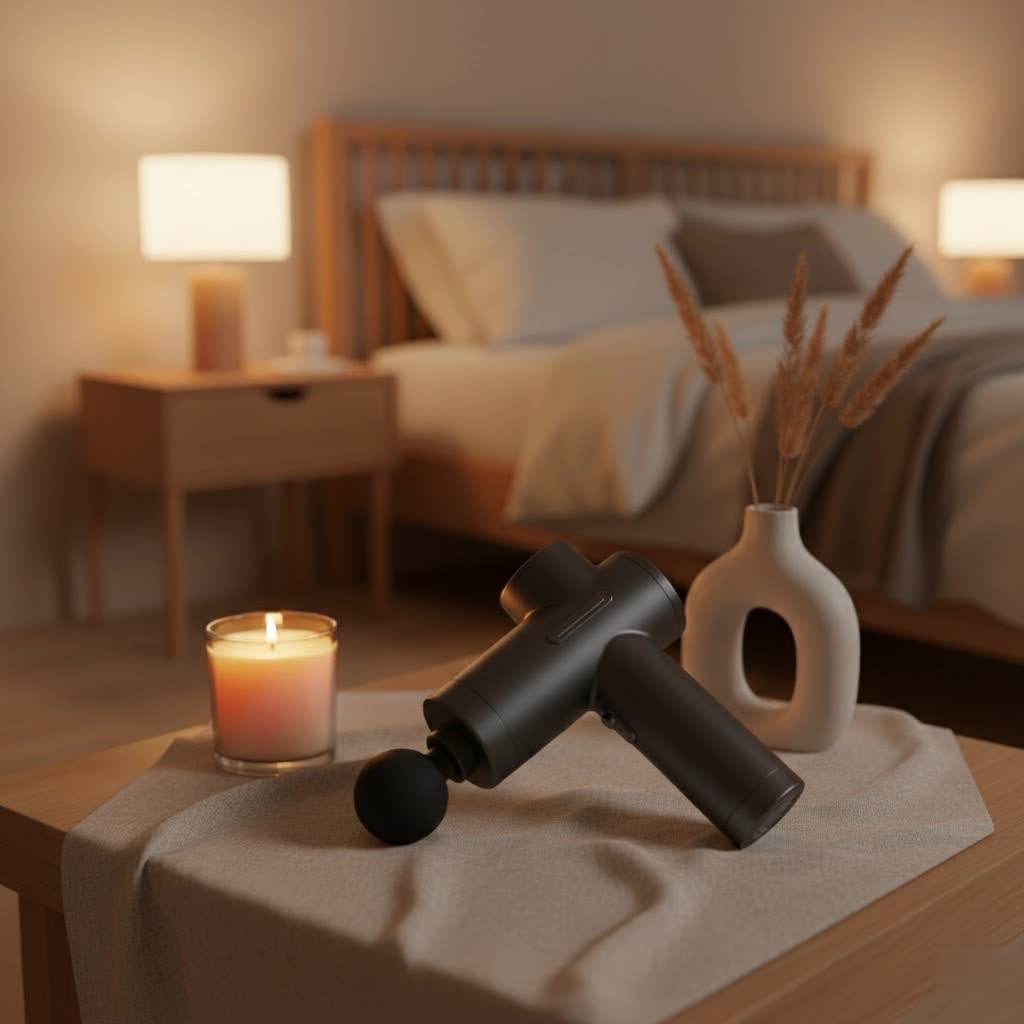
A massage gun, also known as a percussion massager, is a handheld device designed to deliver rapid, pulsating bursts of pressure deep into muscle tissues. Unlike traditional vibration massagers that offer more superficial stimulation, massage guns use a percussive action, meaning the head “percusses” or strikes the muscle repeatedly. This unique mechanism allows for deeper penetration, effectively targeting knots, tension, and soreness within muscle fibers. The concept originated from techniques used by physical therapists to manipulate soft tissues, and over time, technology has allowed these powerful tools to become accessible for personal and professional use alike.
The Transformative Benefits of Percussive Therapy
Integrating a professional massage gun into your routine can yield remarkable results, going far beyond simple relaxation. These devices offer a comprehensive approach to muscle care and overall well-being.
Reduces Muscle Tension and Soreness
|
Our Picks for the Best Massage Gun in 2026
As an Amazon Associate I earn from qualifying purchases.
|
||
| Num | Product | Action |
|---|---|---|
| 1 | RENPHO Mini Thermal Massage Gun with Heat, Valentines Birthday Gifts for Women Men, Portable Deep Tissue Percussion Massager, Color Silicone Sleeves Travel Size with Carry Case, Gray |

|
| 2 | AERLANG Massage Gun with Heat Deep Tissue Back Massager Neck Massager for Pain Relief,Muscle Percussion Massage Gun, Birthday Gifts for Men Women Dad him Handheld Message Gun with 7Heads&Silent |
|
| 3 | IeBilif Massage Gun, 42 Head Foot Back Neck Shoulder Massager with 9 Adjustable Multi-Modes & Intensities, Fascia Gun for Athletes, Birthday Gifts for Men |
|
| 4 | TOLOCO Massage Gun, Deep Tissue Back Massage for Athletes for Pain Relief, Percussion Massager with 10 Massages Heads & Silent Brushless Motor, Christmas Gifts for Women, Men, Black |
|
| 5 | Elefor Massage Gun Deep Tissue,Percussion Back Massager Gun for Athletes Muscle Massage Gun for Pain Relief with 8 Massage Heads & 20 Speeds (Matte Black) |
|
| 6 | RENPHO Active Thermacool 2 Massage Gun with Heat and Cold, Valentine's Day Gifts, [2026 Upgraded] Percussion Deep Tissue Handheld Neck Massager, FSA Approved, Muscle Masajeador for Men Women HSA |
|
| 7 | RENPHO Active Mini Thermacool Massage Gun with Heat and Cold, Valentine's Day Gifts, Percussion Deep Tissue Back Massager Ergonomic Design 5 Speeds for Muscle Therapy, FSA Eligible, Travel Case HSA |
|
| 8 | BOB AND BRAD C2 Pro Massage Gun with Heat and Cold Therapy, FSA Eligible & HSA Approved Mini Massager Gun Deep Tissue, Heated Professional Electric Back Massager for Athletes |
|
| 9 | 20-Head Massage Gun,2026 Upgrade Deep Tissue Percussion Massager with 3 Modes 30 Intensities, Quiet Muscle Tension Release Electric Massage Tools for Back, Shoulders, Legs |
|
| 10 | TOLOCO Massage Gun, Deep Tissue Back Massage for Athletes for Pain Relief, Percussion Massager with 10 Massages Heads & Silent Brushless Motor, Christmas Gifts for Women, Men, Carbon |
|
One of the most immediate and appreciated benefits is the significant reduction in muscle tension and delayed-onset muscle soreness (DOMS) after intense workouts or physical activity. The high-intensity stimulus from the massage gun bombards sensory nerve pathways, causing a reflexive inhibition of muscle tension. This action helps to break up pain signals and release tightness that can accumulate in muscles.
Enhances Blood Circulation and Lymphatic Flow
Percussive therapy significantly improves blood circulation to targeted areas. Enhanced blood flow ensures that muscles receive more oxygen and essential nutrients, which are crucial for tissue repair and efficient body function. Furthermore, massage guns can stimulate the lymphatic system, helping to circulate interstitial fluid and remove metabolic waste, toxins, and inflammation, which accelerates recovery.
Accelerates Muscle Recovery and Injury Rehabilitation
For athletes and active individuals, faster muscle recovery is paramount. Massage guns aid in flushing out lactic acid that builds up during vigorous exercise, which can contribute to muscle fatigue. They are also valuable tools in rehabilitation, assisting in post-injury care by improving healing and recuperation of damaged or atrophied muscles. Percussive therapy can also potentially help break up scar tissue, improving pliability around the affected area and easing pain.
Alleviates Pain and Discomfort
Whether it’s chronic pain or acute soreness, a massage gun can provide natural pain relief by targeting specific muscle groups and loosening tight knots. This targeted approach can be particularly effective for conditions like sciatica, muscle cramps, and non-specific low back pain.
Boosts Flexibility and Range of Motion
By improving tissue metabolism, increasing blood flow, and releasing tension, massage guns contribute to enhanced muscle pliability and flexibility. Regularly using a massage gun can help lengthen muscles and increase the range of motion in your joints, which is vital for both athletic performance and daily functional movement. Many users incorporate massage gun therapy with stretching to deepen their flexibility.
Improves Athletic Performance and Prevents Injuries
Professional athletes widely use percussive therapy to prepare their bodies for competition and aid in recovery. By increasing muscle temperature, pliability, and flexibility, massage guns serve as an excellent warm-up tool, ensuring muscles are supplied with enough oxygen before exercise, thereby reducing injury risk. Improved recovery also enables more consistent training and, consequently, better performance on the field or in the gym.
Common Types of Massage Guns on the Market
The massage gun market offers a range of devices catering to various needs, from casual users to professional therapists. Understanding the distinctions can help you make an informed choice.
Handheld Massage Guns
These are the most common type, offering a balance of power and portability for general home use and post-workout recovery. They typically feature multiple speed settings and attachments, suitable for everyday muscle relief.
Mini Massage Guns
Designed for maximum portability, mini massage guns are smaller and lighter, making them ideal for travel or discreet use. While less powerful than their full-sized counterparts, many mini models still deliver impressive percussion for their size.
Professional Massage Guns
These devices are built for demanding use in clinical settings by physical therapists, chiropractors, and elite athletes. They boast superior durability, powerful yet quiet motors, extended battery life, and advanced features like higher amplitude, greater stall force, and specialized attachments for precise therapeutic applications. The Theragun Pro Plus G6 and Hyperice Hypervolt 2 Pro are often cited as examples of professional-grade tools.
Understanding Percussion vs. Vibration
While “massage gun” is often used broadly, most modern devices, especially professional ones, utilize percussion therapy. Percussion involves a direct striking motion, pushing deep into the muscle. Vibration therapy, while beneficial, typically offers a more superficial treatment. For deep tissue work and significant muscle relief, percussion is the key mechanism.
Comparison Table: Key Massage Gun Types
To help you distinguish between the popular categories, here’s a comparison based on general characteristics:
| Feature | Mini Massage Gun | Handheld Massage Gun (General) | Professional Massage Gun |
|---|---|---|---|
| Size | Small | Medium to Large | Large |
| Weight | Light (1-1.5 lbs) | Moderate (2-2.5 lbs) | Heavy (2.5+ lbs) |
| Power (Stall Force) | Moderate (12-18 lbs) | Strong (20-30 lbs) | Very Strong (30+ lbs) |
| Amplitude (Depth) | Shorter (0.25-0.47 inches) | Moderate to Long (0.50-0.63 inches) | Long (0.63+ inches) |
| Noise Level | Low to Moderate (Quiet) | Moderate to High | Low (optimized for power & quiet) |
| Price | Budget-friendly | Mid-range | Premium/High |
| Portability | Excellent (travel-friendly) | Good (often with carry case) | Limited (built for performance) |
| Target User | Casual users, travelers, gentle massage preference | Everyday fitness enthusiasts, home use | Athletes, physical therapists, chiropractors, frequent deep tissue users |
| Key Differentiator | Compactness for on-the-go relief | Balance of power and convenience | Durability, sustained high performance, advanced features, precision |
Your Guide to Choosing the Right Professional Massage Gun
Selecting a professional massage gun requires careful consideration of your specific needs and the device’s technical specifications.
1. Define Your Usage Needs
Before diving into features, consider your primary purpose. Are you a physical therapist needing a durable tool for multiple clients daily? An elite athlete requiring intense deep tissue work? Or someone seeking robust home therapy for chronic muscle pain? Your intended use will dictate the necessary power, durability, and features.
2. Understand Key Specifications
- Amplitude: This is the distance the massage head travels with each percussion. A higher amplitude (e.g., 0.63 inches or more) means deeper muscle penetration, crucial for effective deep tissue massage.
- Stall Force: Measured in pounds, this indicates how much pressure can be applied before the motor stalls. Professional models often have higher stall forces (30+ lbs) to ensure consistent power even with firm pressure.
- Percussions Per Minute (PPMs): The speed at which the head strikes the muscle. While a wide range is good, very high PPMs aren’t always superior; a balance with amplitude and stall force is key for deep, effective treatment.
- Battery Life: For professional use or extended personal sessions, a long battery life (4-6+ hours) and efficient charging are essential.
- Motor Noise: High-quality professional guns balance power with quiet operation. A loud device can detract from the therapeutic experience. Look for models with brushless motors designed for minimal noise.
3. Evaluate Attachments and Ergonomics
- Interchangeable Heads: A variety of attachments (e.g., flat, round, fork, bullet) allows for targeted treatment of different muscle groups and sensitivities. Some advanced models even include heated or cold attachments for enhanced therapy.
- Ergonomic Design: A comfortable, multi-grip handle and good weight distribution are vital, especially during longer sessions, to prevent hand and arm fatigue. The unique triangular design of some brands, for instance, allows for easier self-application to hard-to-reach areas.
4. Prioritize Durability and Reputation
For a professional-grade investment, durability and reliability are paramount. Opt for brands known for premium materials, solid construction, and excellent customer support with a comprehensive warranty. Trustworthy brands often have clinical and therapeutic credibility, used and recommended by healthcare professionals. Reading reviews from other professionals and users can provide valuable objective insights into real-world performance.
How to Use Your Professional Massage Gun Effectively
Proper technique is crucial for maximizing benefits and ensuring safety.
- Warm-Up Muscles: Begin by gently using the massage gun for 30 seconds on each muscle group you plan to work before a workout to increase blood flow and prepare muscles.
- Select the Right Attachment: Use a round head for large muscle groups, a flat head for general use, a fork head for spinal muscles (avoiding the spine itself), and a bullet head for trigger points or deep tissue.
- Start with Low Speed: Always power on the device before placing it on your body. Begin with the lowest intensity setting and gradually increase it as your body adapts and you become comfortable.
- Apply Gentle Pressure: Let the massage gun do the work. You don’t need to press excessively hard; the device’s percussive action provides sufficient force. Applying too much pressure can cause bruising or discomfort.
- Glide Over Muscles: Move the massage gun slowly and steadily along the length of the muscle, keeping it perpendicular to the muscle area. Avoid lingering on one spot for too long; a general rule is 15-30 seconds per muscle group, with a maximum of 2-3 minutes per area.
- Cool-Down Post-Workout: After exercise, use the massage gun for about 1 minute per muscle group to aid in muscle recovery, reduce soreness, and promote relaxation.
- Hydrate Well: Drink plenty of water before and after your massage session to help flush out toxins released during muscle work.
Important Considerations and Safety Precautions
While massage guns are highly beneficial, improper use can lead to adverse effects. Always consult a medical professional if you have injuries, chronic pain, or underlying health conditions.
- Avoid Bony Areas and Joints: Never use the massage gun directly on bones, joints, or bony prominences, as this can irritate tendons, bursa sacs, or even cause injury. This includes areas like the chest, rib cage, and the front of the neck where arteries, nerves, and veins are close to the surface.
- Steer Clear of Injured or Sensitive Skin: Do not use the device on open wounds, fresh injuries, bruises, cuts, or inflamed areas.
- Certain Health Conditions: If you are pregnant, have a heart condition, are on blood thinners, or have conditions like varicose veins, rheumatoid arthritis, or thrombosis, consult your doctor or physical therapist before using a massage gun.
- Listen to Your Body: If you experience any pain, electric shock-like sensations, or increased discomfort, stop using the massage gun immediately. Start with lighter settings and gradually increase intensity only if comfortable. Overuse can cause muscle fiber damage.
“A massage gun is a powerful tool for self-care and recovery, but like any effective instrument, its benefits are maximized with proper knowledge and mindful application. Always prioritize safety and listen to your body’s signals.” – Dr. Evelyn Reed, Physical Therapy Specialist
Where to Purchase Reliable Professional Massage Guns?
When investing in a professional massage gun, sourcing from reputable retailers is key to ensuring authenticity, quality, and warranty support. Look for established online stores, authorized dealers, or directly from the manufacturer’s website. Brands like Therabody (Theragun), Hyperice (Hypervolt), and Power Plate are often recommended in professional circles for their proven performance and reliability. Be wary of heavily discounted or unbranded products from unverified sellers, as quality and safety may be compromised.
Conclusion
Professional massage guns have revolutionized personal and clinical muscle care, offering an unparalleled blend of convenience, power, and therapeutic benefits. From easing persistent muscle pain and accelerating recovery to boosting athletic performance and enhancing overall flexibility, these devices are invaluable tools in maintaining physical well-being. By understanding their mechanics, choosing a model tailored to your needs, and adhering to proper usage guidelines, you can effectively harness the power of percussive therapy. Empower yourself with this advanced technology, but always remember that consistent care and listening to your body remain the cornerstones of optimal health.
How will you integrate a professional massage gun into your daily routine to achieve your fitness and wellness goals?
Frequently Asked Questions (Frequently Asked Questions)
Can a professional massage gun replace regular visits to a physical therapist?
While a professional massage gun can provide significant benefits for muscle relief and recovery, it cannot fully replace the personalized assessment, diagnosis, and comprehensive treatment plans offered by a trained physical therapist. It serves as an excellent complementary tool for ongoing self-care and between-session maintenance.
What’s the ideal amplitude for a professional massage gun?
For deep tissue work and professional applications, an amplitude of 0.60 inches (15mm) or more is generally considered ideal. This allows the massage head to penetrate deeper into muscle tissue for more effective myofascial release and knot breakdown.
How often should I use a professional massage gun?
The frequency of use depends on your activity level and individual needs. For post-workout recovery, 1-2 minutes per muscle group after exercise is often sufficient. For general tension or warm-up, shorter durations (30 seconds to 1 minute) can be effective. Always avoid overuse on any single area.
